EES Errors: How to Avoid Being Incorrectly Flagged as an Overstayer in the Schengen Area

Understanding the EES and Its Impact on Travellers
The Entry/Exit System (EES) is a biometric system introduced by the European Union to automate and strengthen the management of borders for non-EU travellers. It records entries and exits by collecting personal and biometric data such as fingerprints and facial images. The system aims to help border authorities correctly track the duration of stay for visitors to the Schengen Area, ensuring compliance with the 90 days in any 180-day period rule.
However, recent reports highlight that hundreds to thousands of travellers may be incorrectly flagged as overstayers due to EES errors. These mishaps mostly occur when exit information is not properly recorded, causing the system to assume that travellers have overstayed their permitted duration. This can lead to fines, denied re-entry, or difficulties during subsequent travels to Schengen countries.
Common Issues Leading to Incorrect Overstayer Flags
The errors arise primarily because of technological or administrative challenges within EES. Potential causes include:
- Missed exit stamping: When a traveller’s departure is not recorded, the system cannot confirm their exit date.
- Data transmission delays or failures: Sometimes, data collected at the border is not uploaded correctly or promptly to the central database.
- Mismatched biometric data: Difficulties in matching fingerprints or facial scans can result in incomplete or inaccurate entries.
- Manual input errors: Human errors during data processing can contribute to inconsistencies.
These technical complications may cause the EES to register a traveller as being present beyond their legally allowed stay, despite their adherence to visa or visa-free entry rules.
How This Affects Travellers: Real-World Consequences
Being mistakenly flagged as an overstayer can have significant repercussions on travellers’ experiences, including:
- Detentions or questioning at borders: Travellers may be pulled aside for additional checks or held while issues are resolved.
- Fines or penalties: Local authorities might issue fines based on the erroneous data.
- Re-entry bans: Overstaying allegations can lead to temporary or permanent bans from entering Schengen countries.
- Visa and immigration complications: Future visa applications and immigration procedures might be affected adversely.
These complications can disrupt travel plans, create stress, and impose unexpected costs.
Proactive Measures to Protect Yourself from EES Errors
While the European border authorities continue to work on minimizing EES errors, travellers can take practical steps to safeguard themselves:
1. Keep Detailed Travel Records
Maintain physical and digital copies of all travel documents, including boarding passes, flight itineraries, train tickets, and hotel check-ins. These records serve as proof of your actual travel dates.
2. Obtain Exit Confirmation Where Possible
Ask border officials to verify your exit stamp or confirmation when leaving Schengen countries, particularly in cases where biometric data may not suffice.
3. Use Electronic Boarding Passes and Official Documents
Keep electronic boarding passes accessible on your phone or email as additional evidence of your departure, which can reassure officials if questions arise.
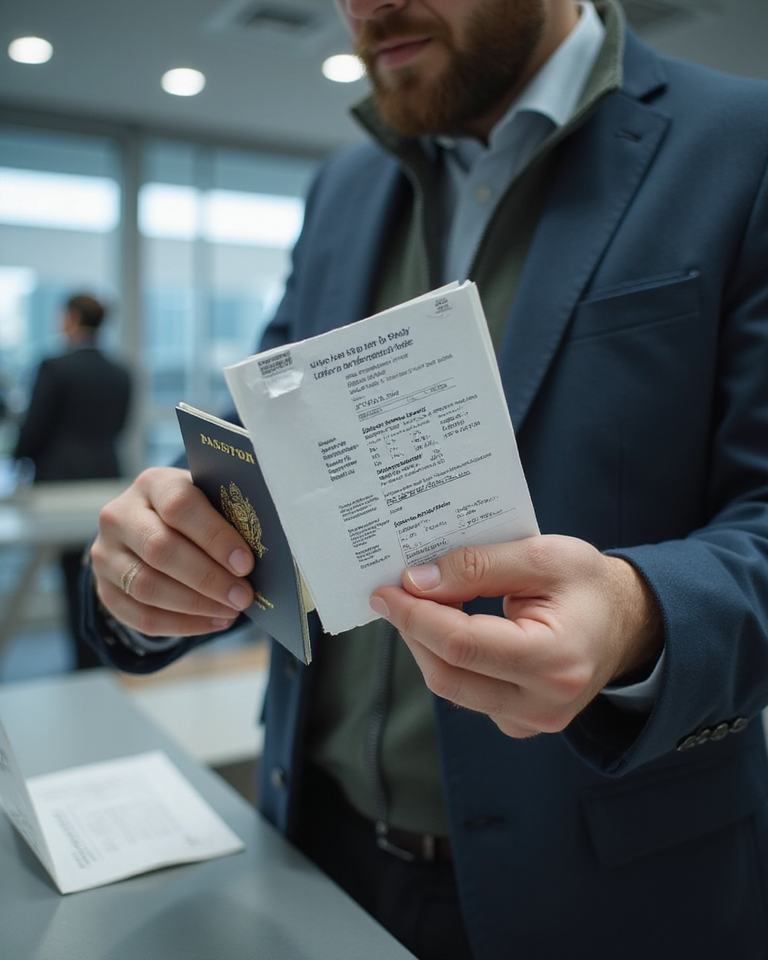
4. Regularly Check Your EES Status
Although the EES is a new system, travellers can contact relevant immigration or consular authorities to verify their status, especially if planning to re-enter the Schengen zone soon.
5. Report Any Mistakes Immediately
If you suspect you have been misrecorded as an overstayer, report it to the local immigration office or embassy promptly. Early intervention can prevent long-term issues.
What to Do If You Are Flagged as an Overstayer by EES
Despite precautions, some travellers might still encounter erroneous overstay alerts. Here is a step-by-step guide on how to effectively respond:
Step 1: Remain Calm and Polite
Border control officers will base their decisions on available data. Being respectful and cooperative may facilitate smoother communication and resolution.
Step 2: Provide Supporting Evidence
Present your travel records such as boarding passes, departure tickets, hotel bookings, or stamped passports demonstrating you left Schengen before exceeding your allowed stay.
Step 3: Request a Manual Review
If the system flags you as an overstayer without valid cause, request that immigration officials conduct a manual review of your data and evidence.
Step 4: Contact Your Embassy or Consulate
Your home country’s diplomatic mission can offer assistance with clarifications, translations, or official statements supporting your case.
Step 5: Follow Up After Departure
If you believe the mistake could affect future travel, keep copies of correspondence and follow up with immigration authorities to ensure your record is corrected in EES databases.
Practical Examples: Handling EES Errors
Consider the case of Maria, a U.S. traveller who departed Spain but whose biometric exit was not registered correctly due to system lag. When she traveled to Germany two weeks later, border officials flagged her as overstaying in Spain. By calmly presenting her flight tickets and hotel checkout receipts, she was allowed entry after a manual check.
Similarly, John, a Canadian tourist, found that his exit was missing from EES after leaving the Schengen zone. He contacted the nearest consulate and provided evidence of his departure, preventing a future entry ban.
Explore Spain & Germany · Tours & Activities
Explore travel ideas and activities inspired by this guide.
Discover more travel ideas for Spain. Destination-specific live offers appear only when verified Klook city IDs are configured.

Implications for Visa Holders and Visa-Free Travellers
The EES system affects both visa holders and those entering Schengen countries visa-free. Regardless of your entry type, it’s critical to monitor your stay duration. Visitors should always respect the 90 days within any 180-day period rule, but knowing how to protect against system errors ensures you do not suffer unjust penalties.
Travel Tips to Keep Your Entry/Exit Records Clean
- Always comply with local border procedures and wait for confirmation of exit before leaving checkpoints.
- Avoid combining multi-country travel with ambiguous exit points that might confuse records.
- Consider using airline apps and frequent flyer accounts that retain comprehensive travel histories for easier proof.
- Educate yourself about the EES procedures relevant to your destination countries.
Frequently Asked Questions
What is the EES and why was it introduced?
The Entry/Exit System monitors non-EU nationals’ entry and exit from Schengen countries, aiming to improve border security and ensure compliance with permitted stay durations.
How can I check if I am flagged by EES as an overstayer?
Currently, travellers cannot directly access the EES database, but you can inquire with border or consular authorities if concerns arise.
What should I do if EES flags me incorrectly?
Present all your travel documentation at border checks, request a manual data review, and if needed, seek assistance from your embassy.
Are overstaying flags in EES permanent?
No. Errors can be corrected upon review if you provide convincing evidence of compliance with your authorized stay duration.
Can I appeal fines or bans based on incorrect EES data?
Yes. Using documented evidence and engaging with immigration authorities usually allows for appeals or reversals of penalties.
Does EES affect all travel within the EU?
EES applies to the Schengen Area, which includes most but not all EU countries. It targets non-EU travellers’ border crossings specifically.
Additional Precautions for Business and Frequent Travellers
Business travellers and frequent visitors to the Schengen Area should take extra care to monitor their travel records and ensure the accuracy of their EES data. Frequent crossings increase the chance of discrepancies, so maintaining meticulous documentation becomes essential. Keeping a personal log of entry and exit dates can help corroborate official records if any issues arise.
Additionally, it is advisable for frequent travellers to familiarize themselves with the specific border control procedures in countries they visit most. Some Schengen states may have varying processes for biometric data capture or exit verification, which could influence the accuracy of EES records. Being aware of these nuances can help travellers prepare appropriately and avoid misunderstandings.
The Role of Airlines and Travel Agencies
Airlines and travel agencies also play a vital role in supporting travellers in managing their EES records. By ensuring timely uploads of departure data and cooperating with border authorities, these entities help reduce errors. Additionally, travellers should retain all tickets and boarding confirmations issued by airlines and travel agencies as these documents can be critical proof of exit.

When booking multi-leg or complex itineraries, seeking advice from experienced travel professionals can help avoid errors related to ambiguous exit points or delayed connections, which might complicate EES records.
Understanding the Legal Framework and Your Rights
It is important for travellers to have a basic understanding of the legal framework governing the EES and their rights under EU law. The system is designed to comply with data protection regulations such as the General Data Protection Regulation (GDPR). This means that your personal data must be handled securely and you have the right to request correction of any inaccurate information.
If you believe your rights have been violated or your data mishandled during an EES-related incident, you can lodge a complaint with the designated data protection authority in the EU member state involved. Knowing your rights empowers travellers to take appropriate action and seek redress.
Tips for Handling Border Interviews and Checks
In cases where you are flagged by the EES and face additional questioning at the border, consider these practical tips to ensure a smooth process:
- Stay calm and answer questions clearly: Provide honest and concise responses to officers’ queries.
- Present documentation proactively: Showing your evidence early can help clarify your case sooner.
- Ask for clarification if confused: If you do not understand something, politely ask for explanation to avoid misunderstandings.
- Request the opportunity for manual data review: Politely ask if a detailed examination of your case is possible.
Being prepared and cooperative can often significantly speed up the resolution and reduce stress.
Looking Ahead: Future Developments in EES and Border Management
The EES system is continuously evolving as technology and border management strategies improve. Planned upgrades aim to reduce errors through enhanced biometric verification techniques and real-time data synchronization. Furthermore, better integration with airline and travel data systems is expected to improve accuracy and decrease instances of missed exits.
Travellers should stay informed about these developments by consulting official EU or Schengen information sites, embassies, or trusted travel advisory services. Staying updated will help you adapt to changes and maintain compliance easily.
Conclusion: Staying Ahead of EES Errors for a Smooth Journey
The introduction of the EES system is a major change impacting non-EU visitors to Schengen countries. While its intention is to streamline border management, travellers must stay vigilant against data errors that could mistakenly mark them as overstayers. By understanding how the system works, keeping thorough records, and knowing how to respond if flagged, visitors can minimize disruptions and safeguard their future travel plans.
Always be proactive in documenting your arrivals and departures and address any concerns early. This approach will help you enjoy your travels within the Schengen Area with confidence, avoiding unexpected obstacles caused by administrative errors.
Ready to plan your stay?
Explore accommodation options for your destination on Bloonsoo.