Don’t Visit Ko Lipe: A Candid Look at the Challenges of This Once-idyllic Thai Island

Don’t Visit Ko Lipe: A Candid Look at the Challenges of This Once-idyllic Thai Island
Ko Lipe, a small island nestled in the southern part of Thailand, once celebrated for its pristine beaches and tranquil vibe, has experienced dramatic changes over recent decades. While it might still appear on many travelers’ bucket lists as a dream getaway, the realities may surprise even seasoned explorers. This article aims to present an honest perspective on why you might want to reconsider your plans to visit Ko Lipe, highlighting practical concerns and offering insights to help you make an informed decision.
Introduction: The Allure and the Reality
In the early 2000s, Ko Lipe was a hidden gem in the Andaman Sea known only to adventurous backpackers. Basic amenities, limited electricity, and untouched white sand beaches made it a raw and authentic experience. However, as tourism boomed, the island’s natural charm began to fade under mounting pressure from development and visitor overload.
This article explores the key reasons why travelers are now advised to think twice before visiting Ko Lipe. It addresses environmental concerns, infrastructure challenges, and the impact of increasing tourism on the island’s quality of life and experience.
Environmental and Ecological Concerns
Marine Ecosystem Degradation
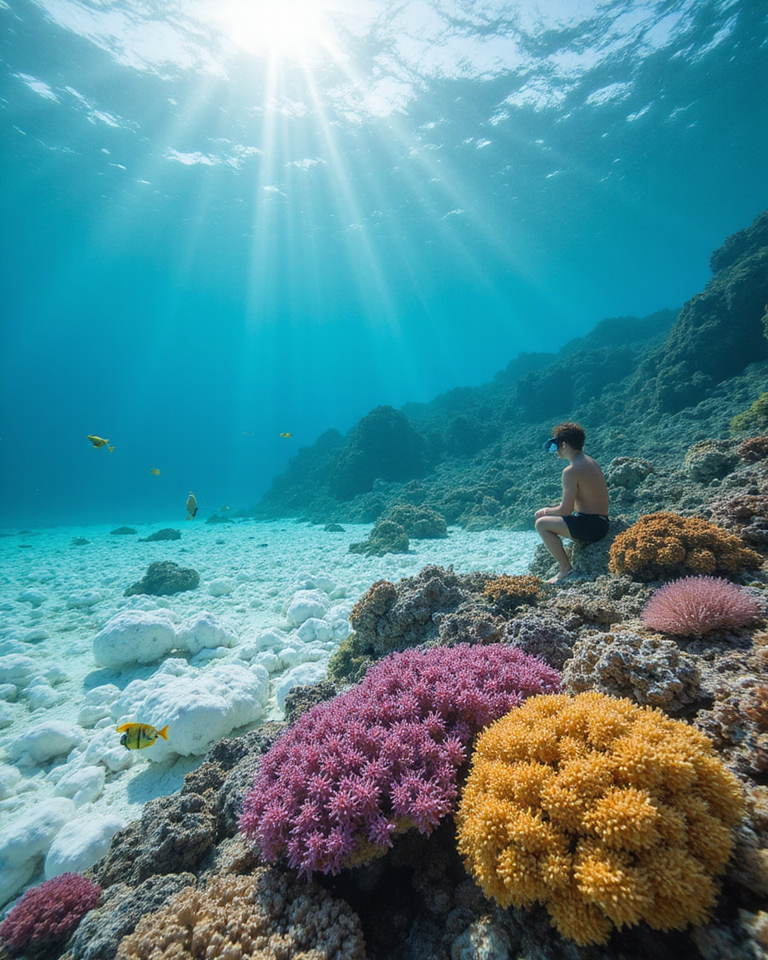
Ko Lipe’s vibrant coral reefs were once a major attraction for snorkelers and divers. Unfortunately, increased boat traffic and careless tourism have led to extensive coral bleaching and reef damage. Popular dive spots have seen declining biodiversity.
Efforts by local conservation groups to protect these ecosystems are ongoing, but recovery is slow and hampered by mass tourism. For travelers seeking pristine underwater environments, alternative locations may be more rewarding.
Waste Management Issues
The island suffers from inadequate waste disposal infrastructure. With a growing number of visitors, the volume of plastic waste and sewage strain local facilities, leading to pollution on beaches and in the sea. This not only threatens wildlife but also detracts significantly from the island’s natural beauty.
Impact on Local Wildlife
Ko Lipe’s flora and fauna are increasingly disrupted by human activity. Deforestation to make way for resorts and restaurants, combined with frequent disturbances, has reduced habitat availability for native species. Nighttime noise pollution further stresses local animals.
Infrastructure and Accessibility Challenges
Transportation to and from Ko Lipe
Getting to Ko Lipe is no longer as straightforward as it once was. Most visitors must take multiple boats and buses from places like Hat Yai or Langkawi, sometimes involving long waits or cancellations due to weather. This can be inconvenient and exhausting, especially for those with limited time.
Accommodation Overcrowding
The island’s once sparse resorts and bungalows have transformed into dense clusters of hotels and guesthouses, many of which lack proper waste management or sufficient amenities. Booking can also be competitive during peak season, and prices have risen commensurate with demand, reducing affordability for budget travelers.
Limited Electricity and Services
Electricity availability remains inconsistent in some parts of the island. Power outages are not uncommon, which may disrupt plans and diminish comfort. Internet connectivity can also be patchy, complicating communications.
Tourist Experience: What to Expect
Crowds and Noise
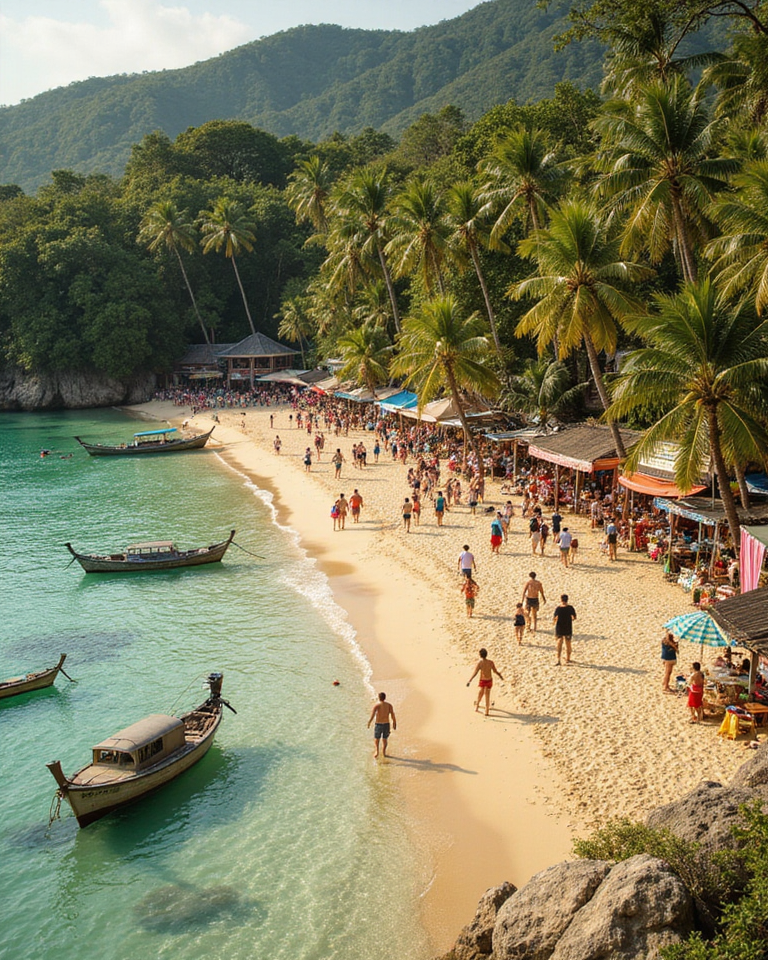
Compared to its former peaceful ambiance, Ko Lipe now often hosts large groups in busy beachfront areas. High tourist density contributes to noise pollution and a sense of overstimulation, particularly in areas surrounding walking street and main public beaches.
Higher Costs
Since the island’s transformation into a popular destination, accommodation, food, and leisure activities such as diving and snorkeling have grown costlier. Travelers on a tight budget may find that the experience no longer matches the expense, especially given the island’s challenges.
Limited Variety in Activities
While snorkeling and diving remain the main attractions, the degradation of reefs and fewer natural hikes offer limited alternative excursions. The island does not have significant cultural or historical sites, which can leave visitors with fewer options.
Alternatives to Ko Lipe
For travelers still seeking beautiful Thai islands with less environmental impact and fewer crowds, consider alternatives such as Koh Lanta, Koh Yao Noi, or the Similan Islands. These locations offer outstanding natural landscapes with efforts toward sustainable tourism.
Practical Tips for Those Who Still Wish to Visit Ko Lipe
Travel Sustainably
If Ko Lipe remains your destination of choice, prioritize eco-friendly behavior. Avoid single-use plastics, support local conservation programs, and choose accommodations with sustainable practices.
Plan Your Trip in the Off-Season
Visiting during the low season can minimize exposure to crowds and may reduce accommodation costs. Weather can be more unpredictable, but the island is usually less congested, providing a more tranquil experience.
Prepare for Limited Facilities
Bring essential supplies such as snacks, water bottles, and a flashlight. Stay patient with inconsistent power and Wi-Fi services, and respect local customs and resources.
Frequently Asked Questions (FAQs)
Is Ko Lipe still worth visiting despite its challenges?
Ko Lipe has lost much of its original charm due to overtourism and environmental degradation. While it still offers beautiful beaches and some marine life, travelers seeking serenity or pristine environments might be disappointed.
Explore Thailand · Tours & Activities
Explore travel ideas and activities inspired by this guide.

Discover more travel ideas for Thailand. Destination-specific live offers appear only when verified Klook city IDs are configured.
How do I get to Ko Lipe?
Most travelers reach Ko Lipe by first arriving in southern Thailand — often Hat Yai or Pak Bara — then taking a combination of buses and boats. Transfers can be affected by weather and schedules, so plan accordingly.
Are there accommodations suitable for budget travelers?
Budget options do exist but are fewer than before and often crowded or with limited services. Booking in advance and during the low season can improve availability and rates.
What can I do to help protect Ko Lipe’s environment?
Practice responsible tourism by reducing waste, avoiding touching or collecting coral, supporting eco-friendly businesses, and educating others about sustainable travel practices.
Is it safer health-wise to avoid Ko Lipe during high tourist seasons?
Higher tourist volumes can pose health risks such as increased likelihood of communicable diseases, but general safety measures and personal hygiene protocols should mitigate these risks regardless of the season.
Conclusion: Making a Wise Travel Choice
Ko Lipe’s transformation from an untouched island to a busy tourist hotspot offers important lessons about the effects of mass tourism on fragile environments. Considering the environmental damage, infrastructural pressure, and reduced quality of experience, this island may no longer be the idyllic paradise it once was.
Travelers looking for authenticity, natural beauty, and peaceful surroundings might consider alternative destinations or plan their visit with conscious care to reduce personal impact. Ultimately, whether to visit Ko Lipe depends on your priorities and expectations. Being informed is the first step toward responsible and rewarding travel.
Community and Cultural Impact
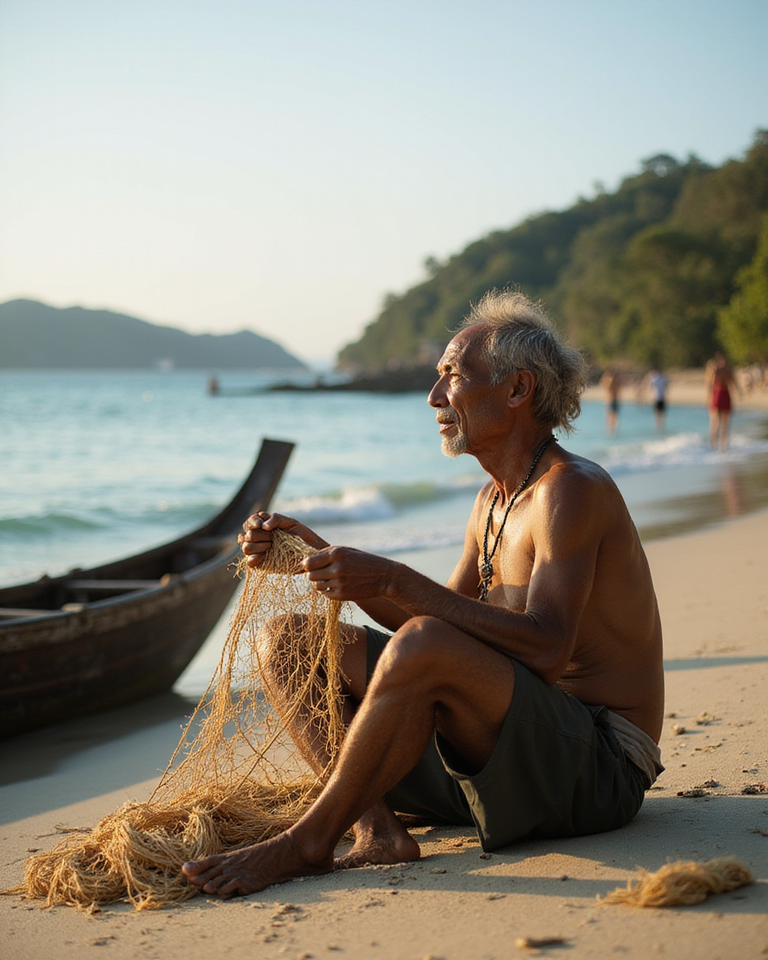
Tourism’s growth on Ko Lipe has also brought cultural and social changes to the local community. Once a quiet fishing village, the influx of tourists and foreign business interests have gradually altered traditional ways of life. Many locals rely heavily on tourism for income, creating economic dependencies that may not always favor sustainable development.
The balance between preserving cultural heritage and adapting to tourist demands remains delicate. Visitors may notice a shift towards commercialization in some areas, which can detract from experiencing authentic local culture. Being respectful and supportive of local customs can help maintain a meaningful exchange between travelers and residents.
Environmental Conservation Efforts and How Visitors Can Aid
Despite the challenges faced, several grassroots organizations and local initiatives aim to protect and restore Ko Lipe’s environment. These include coral reef rehabilitation programs, beach cleanup campaigns, and education projects for both tourists and residents about sustainable practices.
Visitors who choose to support these initiatives can contribute positively by volunteering, donating, or simply adhering to guidelines that minimize ecological footprints. Engaging with local conservation activities not only helps the island but also enriches the travel experience by fostering a deeper connection with the place.
Supporting Local Businesses
Shopping from local artisans, dining at family-owned eateries, and choosing eco-conscious tour operators are practical ways to encourage responsible tourism. This support helps sustain the community economically while promoting environmentally friendly practices.
Participating in Eco-Friendly Activities
Many tour providers now offer low-impact excursions, such as guided nature walks, kayaking, or snorkeling tours that emphasize reef conservation and wildlife observation without disturbance. These options provide enjoyable experiences that respect the island’s fragile ecosystems.
Health and Safety Considerations
Travelers should be aware of certain health and safety factors when planning a trip to Ko Lipe. Limited medical facilities on the island mean that visitors with chronic conditions or serious health concerns should be cautious and consider travel insurance covering emergency evacuation.
Food and water hygiene standards may vary, so taking precautions such as drinking bottled water and eating at reputable establishments is advised to avoid common travel-related illnesses. Staying attentive to weather conditions and following safety guidelines during water activities also contribute to a secure visit.
Emergency Services and Preparedness
While Ko Lipe has basic emergency services, the remoteness and limited infrastructure can delay access to advanced care. Knowing the location of the nearest health clinic and bringing a well-stocked first aid kit are prudent measures. Informing your accommodation of any health issues and having local emergency contact numbers handy can also enhance safety.
Looking Toward the Future
The story of Ko Lipe is a microcosm of the broader challenges faced by popular tourist destinations worldwide—balancing development, conservation, and community welfare. While the current state is far from pristine, ongoing efforts hint at a possibility of rehabilitation if tourism is managed thoughtfully.
Travelers, policymakers, and local businesses must collaborate to implement sustainable strategies that protect natural resources, support livelihoods, and provide quality experiences. Encouraging responsible travel behavior and fostering awareness can help ensure that Ko Lipe, and similar locales, remain vibrant destinations for future generations.
Ready to plan your stay?
Explore accommodation options for your destination on Bloonsoo.