Why You Should Think Twice Before Visiting Ko Lipe: A Practical Travel Perspective
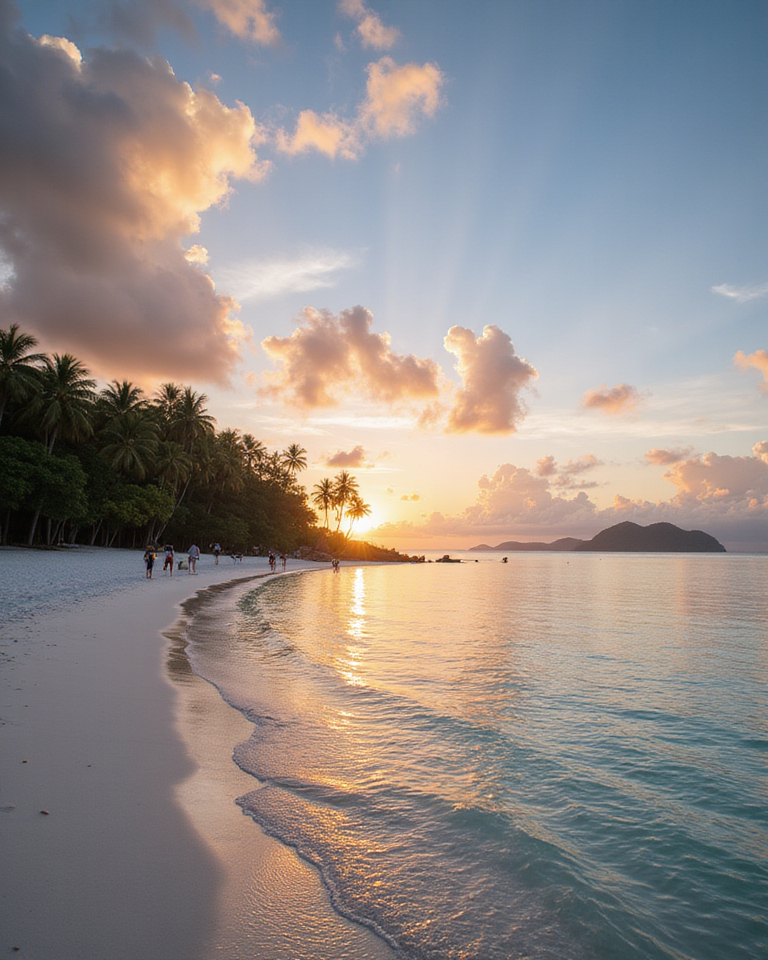
Introduction: The Reality Behind Ko Lipe’s Tropical Charm
Ko Lipe, a small island in the Andaman Sea, Thailand, has long been promoted as a tropical paradise with pristine beaches and vibrant coral reefs. Decades ago, it was an off-the-beaten-path destination that attracted adventurous backpackers and travelers seeking untouched nature. However, the island’s growing popularity has brought significant changes that travelers should weigh carefully before planning their visit.
Despite its postcard-perfect images, Ko Lipe presents challenges that may impact your travel experience, ranging from environmental stress to overcrowding and basic infrastructure issues. This article offers an in-depth look at why you might reconsider visiting Ko Lipe and provides practical advice for those still considering it as a travel destination.
The Changing Landscape of Ko Lipe
From Secluded Island to Tourist Magnet
In the early 2000s, Ko Lipe was a relatively quiet place with limited tourist facilities and limited electricity, running only a few hours a day. Bungalows were simple, and the island’s natural beauty was largely intact. Fast-forward to today, the island has seen a surge in tourism, impacting both the local environment and visitor experience.
The exponential growth in visitors has led to increased development, with hotels, restaurants, and bars competing for space along the island’s small beaches. While this offers more options for accommodations and dining, it often comes at the cost of the natural serenity that once defined Ko Lipe.
Overcrowding and Its Impact on Your Experience
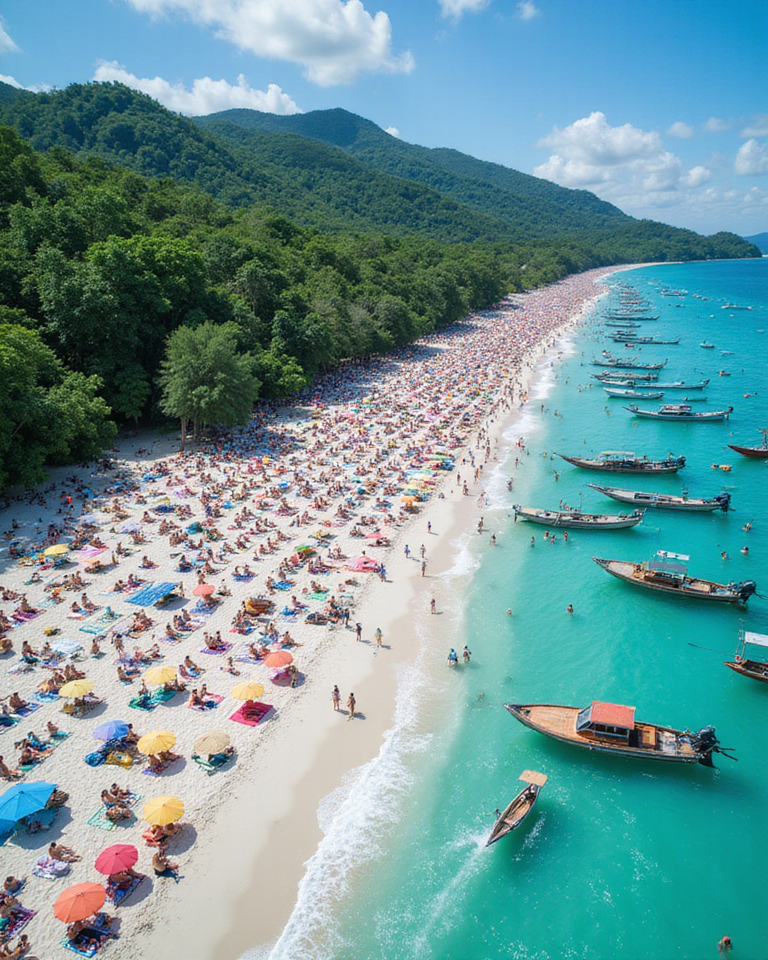
Ko Lipe’s small geographical size means it can become easily overwhelmed during peak season. The beaches that once felt uncrowded now often host throngs of tourists competing for limited spots. This overcrowding detracts from the sense of relaxation and solitude many travelers seek in island destinations.
Boat traffic between Ko Lipe and nearby islands increases sea pollution and noise, disturbing marine life and affecting the quality of snorkeling and diving activities. The once-clear waters can occasionally appear murky due to physical disturbances and waste from boats and visitors alike.
Environmental Concerns to Consider
Coral Reef Degradation
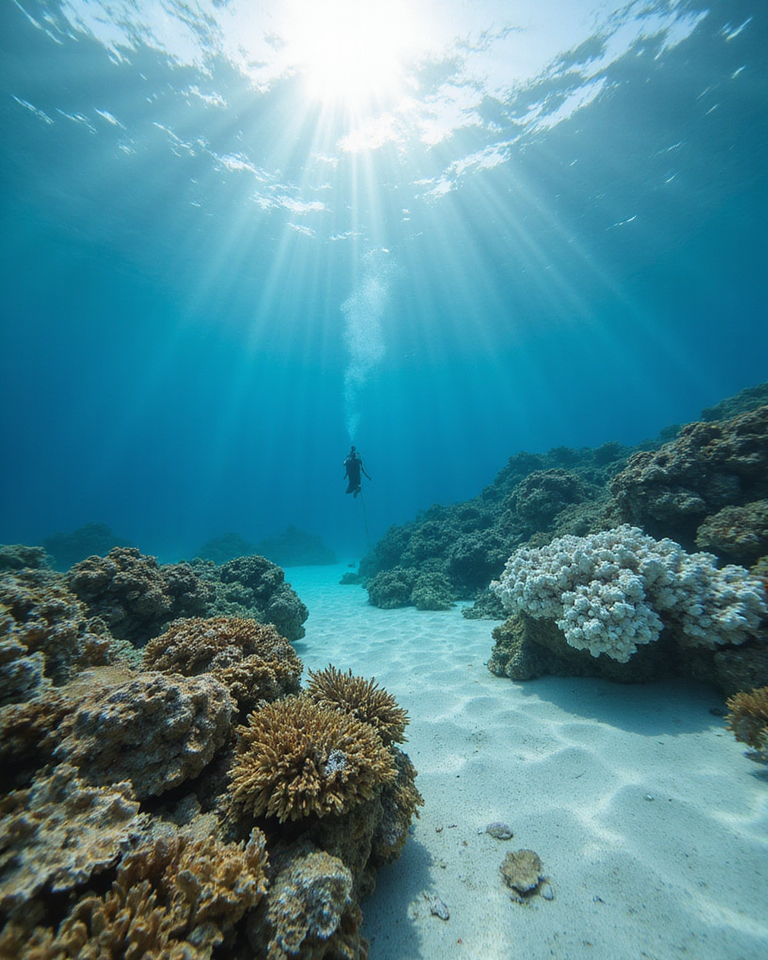
Ko Lipe’s coral reefs were historically a major attraction, drawing divers and snorkelers worldwide. Unfortunately, the combination of increased tourist activity, careless behavior such as touching or breaking corals, and inadequate waste management has led to noticeable coral damage.
Efforts to preserve the reefs exist but are often hampered by the high volume of visitors and inconsistent enforcement of environmental regulations. Travelers who prioritize marine conservation should be aware that the reefs currently face stress and may not resemble the vibrant ecosystems seen in travel brochures.
Waste Management Challenges
With the rapid development and influx of tourists, Ko Lipe struggles with effective waste disposal. Garbage accumulation on the island and in surrounding waters poses a threat to wildlife and detracts from the natural beauty that visitors expect. While local authorities and businesses have started initiatives to improve sustainability, these remain a work in progress.
Infrastructure and Practical Travel Considerations
Limited Electricity and Water Resources
The island’s infrastructure has not kept pace with its growing tourism industry. Electricity remains inconsistent, especially outside of peak hours in the high season. This can affect accommodation comfort and the availability of amenities like air conditioning and hot water.
Similarly, potable water is limited on Ko Lipe. Many establishments rely on water brought from the mainland or use desalination processes, which can strain resources and drive up costs. Travelers should prepare accordingly, bringing sufficient water and managing their consumption.
Access and Transportation Logistics
Reaching Ko Lipe requires multiple modes of transportation, typically involving flights to nearby cities like Hat Yai or Trang, followed by lengthy minibus rides and speedboat transfers. Weather conditions can affect ferry schedules, leading to delays or cancellations. It’s essential to build contingency time into your schedule when planning your journey to or from the island.
Once on Ko Lipe, transportation is mostly on foot because of the island’s small size and lack of motor vehicles. While this is convenient for short distances, carrying heavy luggage or moving between certain points during hot weather can be challenging.
Accommodations: What to Expect
Accommodation options on Ko Lipe range from basic bungalows to mid-range hotels and boutique resorts. However, given the island’s rapid growth, prices have risen, and the quality can be inconsistent.
Travelers used to high-end amenities should temper expectations. Many lodgings have limited soundproofing and vary in cleanliness and maintenance standards. Booking accommodations in advance is highly recommended, especially during the peak tourist season from November to April.
Local Culture and Community Interaction
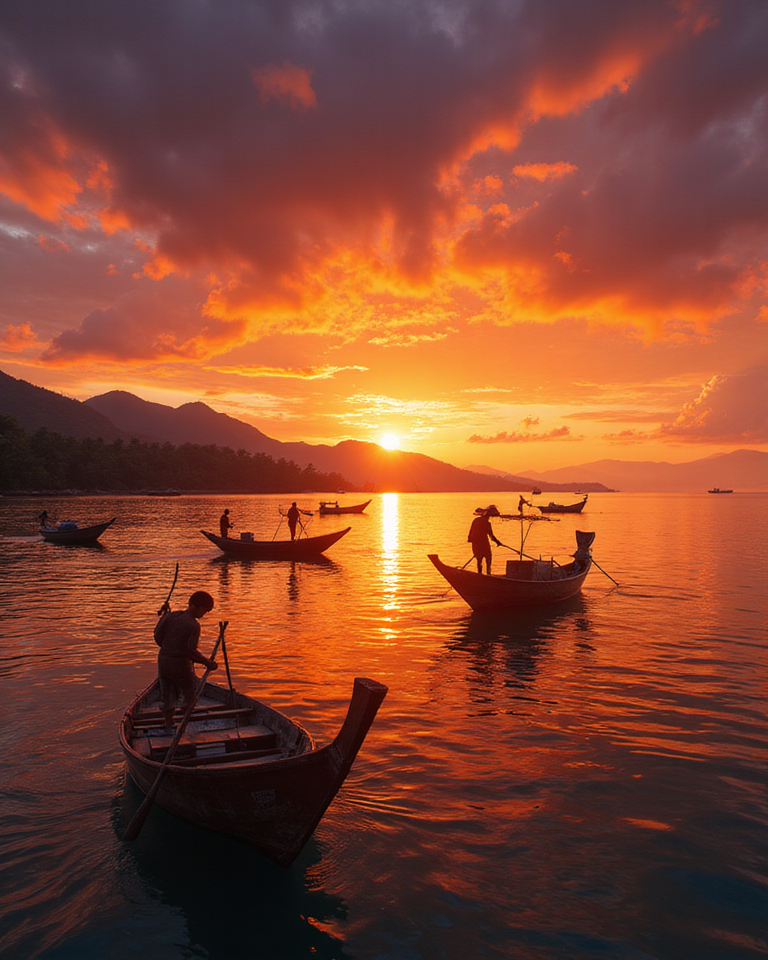
Ko Lipe’s local community is primarily composed of the Urak Lawoi sea gypsies, whose traditional lifestyle has been affected by tourism. While visitors often seek authentic cultural experiences, rapid commercialization and tourist demand have caused aspects of local culture to transform or become staged.
Respectful behavior and genuine engagement with local residents can enrich your visit, but it’s important to recognize that the island’s culture is adapting rapidly. Supporting local businesses and artisans can help sustain community economic health.
Alternative Destinations Worth Considering
If Ko Lipe’s current challenges make you hesitant, Thailand offers several other islands and coastal areas that can provide a more authentic or relaxed experience.
- Koh Lanta: A larger island with more space and less tourist density, Koh Lanta offers beautiful beaches and a slower pace.
- Koh Yao Islands: Less developed and quieter, these islands are known for eco-tourism and local culture immersion.
- Koh Chang: One of Thailand’s bigger islands, providing varied landscapes and more diverse accommodations.
Practical Tips for Those Who Decide to Visit Ko Lipe
Plan for Off-Peak Travel
To avoid crowds and enjoy a more peaceful environment, consider visiting during shoulder seasons such as May or late October. Keep in mind that the monsoon season affects weather and ferry operations.
Explore Thailand · Tours & Activities
Explore travel ideas and activities inspired by this guide.

Discover more travel ideas for Thailand. Destination-specific live offers appear only when verified Klook city IDs are configured.
Respect Environmental Guidelines
Follow local rules concerning coral reef protection, waste disposal, and wildlife interaction. Avoid touching or stepping on corals, use reef-safe sunscreen, and carry your trash until you find appropriate disposal facilities.
Monitor Weather and Transport Schedules
Due to Ko Lipe’s vulnerability to weather disruptions, maintain flexible itineraries and verify boat schedules in advance to avoid last-minute complications.
Budget Appropriately
The island tends to be more expensive compared to mainland Thailand due to transportation costs and resource limitations. Expect higher prices for food, accommodation, and activities.
Frequently Asked Questions (FAQ)
Is Ko Lipe still a good place for snorkeling and diving?
While Ko Lipe’s coral reefs remain accessible and appealing, they have suffered degradation. Snorkeling and diving can be rewarding but may not offer the pristine conditions found in less visited locations.
How crowded does Ko Lipe get during peak season?
The island becomes quite crowded between November and April, with beaches and dive spots often busy. Expect long waits at popular restaurants and full accommodations.
What is the best way to get to Ko Lipe?
Travelers usually fly into Hat Yai or Trang airports, followed by minibus transfers to the Pak Bara Pier and then a speedboat ride to Ko Lipe. Checking weather conditions and boat departure times beforehand is essential.
Are there any environmental initiatives on the island?
Yes, some local organizations and resorts have launched sustainability projects, including coral restoration and beach cleanups. However, their success is limited by high tourist numbers and infrastructure constraints.
Can I find luxury accommodations on Ko Lipe?
There are boutique resort options on Ko Lipe, but luxury experiences are limited compared to larger Thai islands. Book well in advance and research reviews for quality assurance.
Additional Considerations for Responsible Tourism
Supporting Local Conservation Efforts
Travelers who decide to visit Ko Lipe can make a positive impact by participating in or donating to local conservation projects. Several community-based organizations focus on coral restoration, beach cleanups, and environmental education. By supporting these initiatives, visitors contribute to sustaining the island’s fragile ecosystem.
Choosing Eco-Friendly Accommodations
Selecting hotels and resorts committed to sustainable practices can reduce your travel footprint. Look for accommodations that utilize renewable energy, minimize plastic use, and engage in waste reduction. Eco-friendly lodging options are becoming more common on Ko Lipe, offering travelers a chance to enjoy the island responsibly.
Practicing Mindful Snorkeling and Diving
When exploring the underwater world, maintain a respectful distance from corals and marine life. Avoid standing on reefs or touching animals, and use biodegradable sunscreen to prevent chemical damage to the ecosystem. Guided tours with knowledgeable operators can enhance your experience while ensuring minimal environmental harm.
Financial Impact on the Local Community
Tourism has brought both opportunities and challenges to Ko Lipe’s economy. While visitor spending supports jobs and local businesses, an overreliance on tourism makes the community vulnerable to fluctuations like seasonal downturns or global disruptions such as pandemics. Diversifying income sources and fostering community resilience remain ongoing goals.
For travelers, understanding the economic dynamics encourages more thoughtful spending decisions. Choosing locally owned restaurants, buying handicrafts from artisans, and hiring local guides can better distribute tourism benefits within the community.
Health and Safety Precautions
Health Services Availability
Medical facilities on Ko Lipe are limited, with basic first aid and minor treatment services but no specialized care. Visitors with specific health conditions or requiring medication should carry sufficient supplies and travel insurance. Access to mainland hospitals may involve travel time and transportation arrangements, so planning ahead is advisable.
Safety Tips for Outdoor Activities
Engaging in water sports, hiking, or boating activities requires caution. Stay hydrated, protect yourself from sun exposure, and follow safety instructions from operators. Be mindful of jellyfish season and water conditions, as incidents can occur. Additionally, always use life jackets and ensure equipment is well maintained.
Conclusion: Making an Informed Choice
Ko Lipe’s transformation from a tranquil island getaway into a bustling tourist hotspot serves as a lesson in the complexities of travel and tourism development. While it still offers beautiful beaches and marine life, the island’s overcrowding, environmental pressures, and limited infrastructure can detract from the dream island experience.
Prospective visitors should assess their priorities carefully and consider alternative destinations if they seek serenity and untouched nature. For those who choose to visit Ko Lipe, adopting respectful travel habits and preparing for practical challenges can help ensure a safer and more fulfilling trip.
Ultimately, travel to Ko Lipe demands an informed and conscientious approach, balancing the desire for exploration with the realities of a destination in flux.
Ready to plan your stay?
Explore accommodation options for your destination on Bloonsoo.