Seeking Snow and Ski This Winter? Discover Asia’s Lesser-Known Winter Gems
Introduction: Exploring Asia’s Hidden Winter Wonders
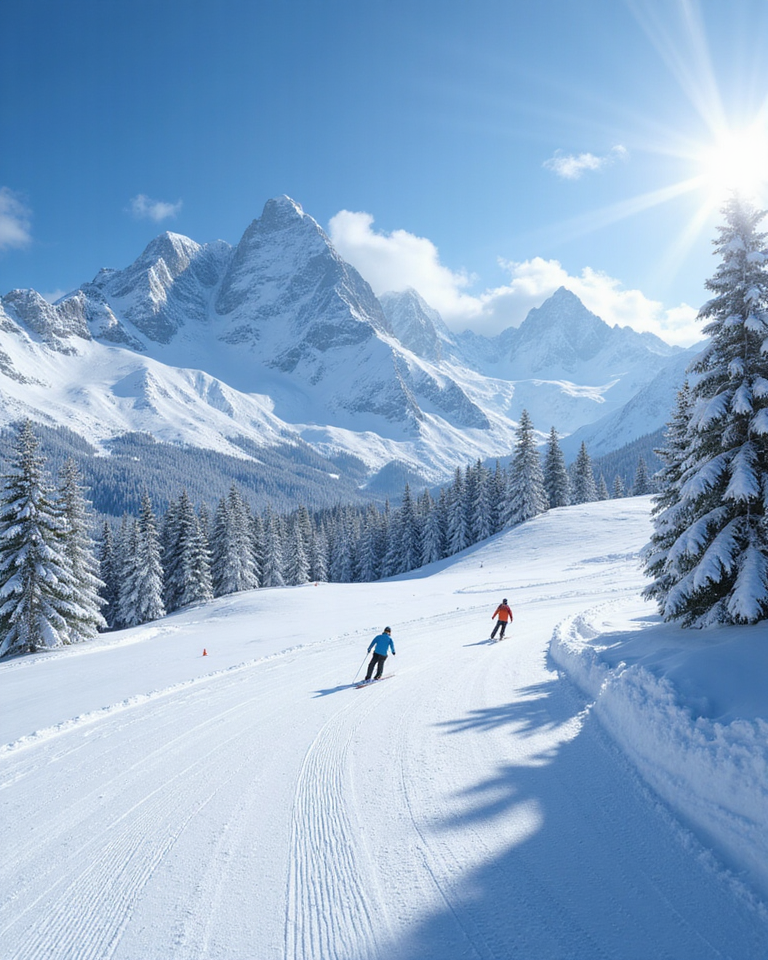
When winter arrives, the craving for snow and skiing often leads travelers to the celebrated alpine resorts of Europe or North America. However, Asia offers fascinating alternatives for those who wish to combine cultural discovery with exciting snow sports. Lesser-known ski destinations across the continent provide unique landscapes, authentic atmosphere, and quieter slopes perfect for adventurers seeking new experiences off the beaten track.
This guide explores some of Asia’s lesser-known places to find snow and ski this winter. From steep powder-covered mountains in Japan’s hidden regions, to the scenic highlands of South Korea and the tranquil hill resorts of Central Asia, these spots promise memorable winter escapades without the crowds.
The Charm of Lesser-Known Ski Destinations in Asia
Asia’s ski regions are diverse, extending beyond the famous Japanese island of Hokkaido or South Korea’s Pyeongchang. Many emerging resorts emphasize local culture, approachable terrain for beginners and intermediate skiers, and breathtaking surroundings. Exploring these locations often means discovering captivating traditions alongside well-maintained slopes and modern facilities.
Moreover, these destinations tend to offer better value accommodations and fewer tourists, resulting in a more relaxed and immersive experience. Whether you are a seasoned skier or a casual snow-seeker, Asia’s hidden ski resorts provide fresh powder and stunning views minus the hustle of popular resorts.
Japan’s Hidden Powder Paradises: Beyond Niseko
Shiga Kogen: Vast Terrain and Quiet Slopes
Shiga Kogen, located in Nagano Prefecture, is one of Japan’s largest ski areas yet remains lesser-known internationally. It features over 80 kilometers of slopes spanning multiple interlinked resorts, offering varied challenges suitable for all skill levels. Compared to Niseko, it’s generally quieter, allowing visitors to enjoy fresh powder with less queue time.
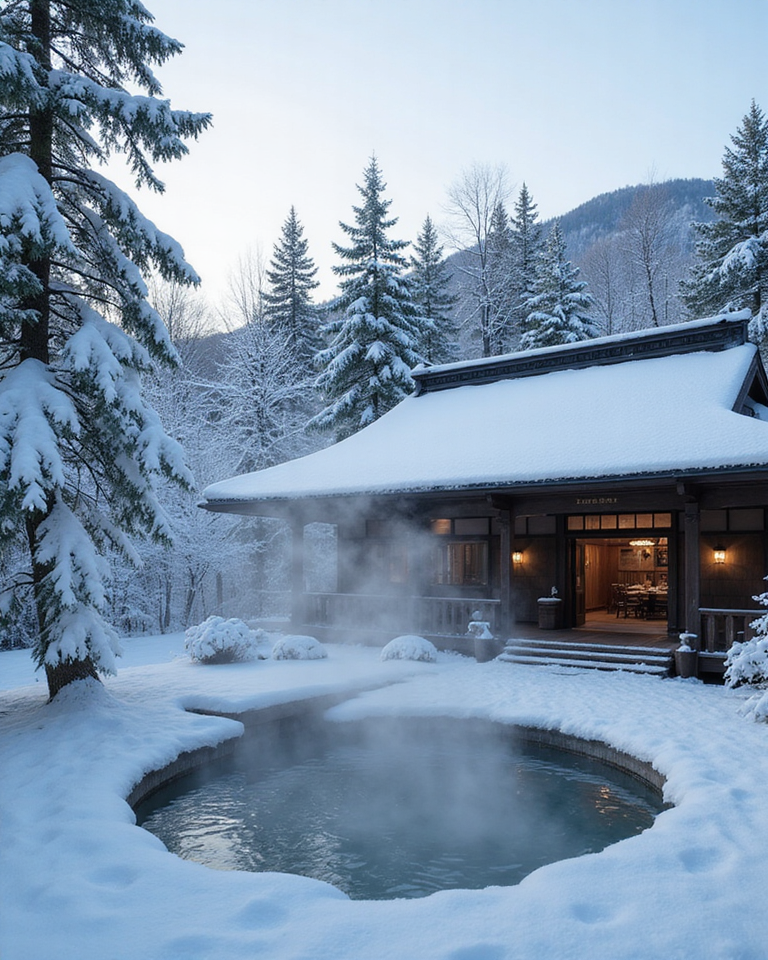
The area is also famous for its natural hot springs (onsen), making apres-ski relaxation a genuine cultural experience. Local ryokans (Japanese inns) provide cozy accommodation with traditional meals, giving visitors full immersion into Japanese hospitality.
Zao Onsen: Skiing and Soaking in Volcanic Hot Springs
Zao Onsen in Yamagata Prefecture combines excellent skiing with stunning natural phenomena like the frost-covered “snow monsters” (juhyo) — trees transformed by freezing winds into ghostly shapes. The ski area offers gentle to intermediate trails, ideal for families and casual skiers.
After a day on the slopes, visitors can soak in the therapeutic volcanic hot springs close by. The small town atmosphere enhances the charm, featuring local eateries serving hearty mountain cuisine and welcoming lodges.
South Korea’s Serene Snowy Retreats
Muju Resort: A Family-Friendly Haven
Muju Resort, located in the mountainous center of South Korea, is celebrated for its reliable snowfall and well-maintained slopes. While not as internationally renowned as resorts near Seoul, it offers a peaceful, family-oriented environment with beginner and intermediate trails.
The resort’s natural setting inside Deogyusan National Park presents scenic hiking trails to explore off-ski days. Muju’s proximity to small Korean towns also allows for cultural excursions, sampling local cuisine, and visiting hot springs.
High1 Resort: Diverse Slopes and Modern Facilities
High1 Resort in Gangwon Province offers an extensive terrain for varied skill levels, including long runs and terrain parks. Though less crowded than some popular resorts, it features modern amenities, vibrant nightlife, and conference facilities, attracting a mix of international travelers and local winter sports enthusiasts.
Travelers can combine skiing with visits to nearby casinos or cultural sites in the region, enriching the winter getaway beyond skiing.
Central Asia’s Snowy Highlands: Adventure Meets Culture
Chimbulak Ski Resort, Kazakhstan: The Urban Mountain Escape
Just 25 kilometers from Almaty, Kazakhstan’s former capital, Chimbulak offers a fascinating blend of urban accessibility and mountain adventure. The resort, set in the stunning Tian Shan Mountains, boasts scenic slopes with varying difficulty levels and modern lift infrastructure.
The proximity to a major city means visitors have easy access to museums, markets, and traditional Kazakh cuisine. The unique cultural experience combined with reliable snow conditions makes Chimbulak a distinctive winter destination.
Gulmarg, India: Asian Himalayas’ Powder Frontier
Gulmarg in Jammu and Kashmir is often cited as one of Asia’s best-kept ski secrets. Nestled in the Himalayas, it offers spectacular alpine scenery and steep, authentic powder runs appealing to advanced skiers and snowboarders.
The area features Asia’s highest cable car, which elevates visitors to heights over 3,900 meters. Beyond skiing, travelers can explore local Kashmiri culture, cuisine, and traditional crafts, making it an enriching winter holiday choice.
Practical Travel Tips for Skiing in Lesser-Known Asian Destinations
Travel Planning and Accessibility
When opting for less mainstream ski resorts, ensure you check transportation options. Some resorts are best accessed via regional airports followed by mountain shuttles or taxis. Booking transfers ahead of time can alleviate stress upon arrival.
Accommodation and Local Dining
Staying in local guesthouses or inns can enhance the cultural experience and often proves economical. Many mountain towns offer authentic dining experiences with regional specialties—sampling local dishes adds a tasty dimension to your trip.
Snow and Weather Conditions
Research snow reports prior to booking, as snowfall can vary by region. While some resorts maintain snow-making capabilities, others depend solely on natural snow, which can be seasonal and less predictable in southern parts of Asia.
Equipment Rental and Ski Lessons
Most established resorts provide rental shops with modern equipment and ski schools offering lessons in English and local languages. Taking a lesson or two is advisable, especially if you are unfamiliar with the mountain or skiing style in Asian resorts.
Cultural Etiquette and Safety
Respect local customs and dress codes, particularly in small mountain towns or religious areas. Also, be mindful of altitude sickness, hydration, and weather changes—local guides and resort staff can assist with safety information.
Explore Seoul & Japan · Tours & Activities
Explore travel ideas and activities inspired by this guide.
Discover more travel ideas for Seoul. Destination-specific live offers appear only when verified Klook city IDs are configured.
FAQ: Traveling to Asia’s Lesser-Known Ski Destinations
Q1: When is the best time to ski in these Asian destinations?
A: Typically, the prime ski season runs from December through March, although exact times depend on the specific region’s weather patterns and altitude.
Q2: Are these resorts suitable for beginners?
A: Many of the featured resorts offer beginner-friendly slopes and ski schools. Destinations like Muju and Zao Onsen are particularly known for welcoming novice skiers.
Q3: What is the cost comparison with popular European ski resorts?
A: Lesser-known Asian ski resorts generally offer more affordable accommodation, lift tickets, and dining options, providing great value for travelers on a budget.
Q4: How do I get around once at the resort?
A: Resorts usually offer shuttle buses, taxis, or are walkable. Some mountainous areas offer rental snowmobiles or guided tours for off-slope adventures.
Q5: Is English commonly spoken at these ski destinations?
A: English proficiency varies. Larger resorts or those with international clientele tend to have English-speaking staff. Learning a few basic phrases in the local language can enhance communication and cultural exchange.
Emerging Asian Ski Destinations Worth Watching
Niseko’s Rising Competitors: Hokkaido’s Smaller Resorts
While Niseko is widely known for its abundant powder and international atmosphere, several smaller resorts in Hokkaido offer equally impressive skiing with fewer crowds. Places like Furano, Asahidake, and Tomamu provide a variety of terrains and more intimate settings, ideal for skiers who appreciate solitude and pristine snow conditions.
These resorts often boast strong community vibes, with local festivals and winter events complementing the skiing experience. Additionally, they tend to be more affordable than the bustling Niseko, making them attractive options for budget-conscious travelers seeking quality powder.
Towards New Horizons: Skiing in Northeastern China
China’s northeastern provinces, such as Heilongjiang and Jilin, are gaining traction as winter sports destinations. Resorts like Yabuli, China’s largest ski area, offer extensive runs and modern facilities. Although Yabuli is growing in popularity, many smaller resorts nearby remain relatively undiscovered by international tourists.
The region experiences long, cold winters with reliable snowfall, creating excellent conditions for skiing and snowboarding. Beyond slopes, visitors can explore ice festivals and traditional local culture, presenting a unique blend of winter sports and cultural tourism in an emerging market.
The Caucasus Mountains: Georgia’s Alpine Frontier
Georgia, located at the crossroads of Eastern Europe and Western Asia, features rugged mountain terrain ripe for winter sports. Resorts like Gudauri and Bakuriani are developing steadily, offering thrilling ski runs amidst breathtaking landscapes and a warm, hospitable culture.
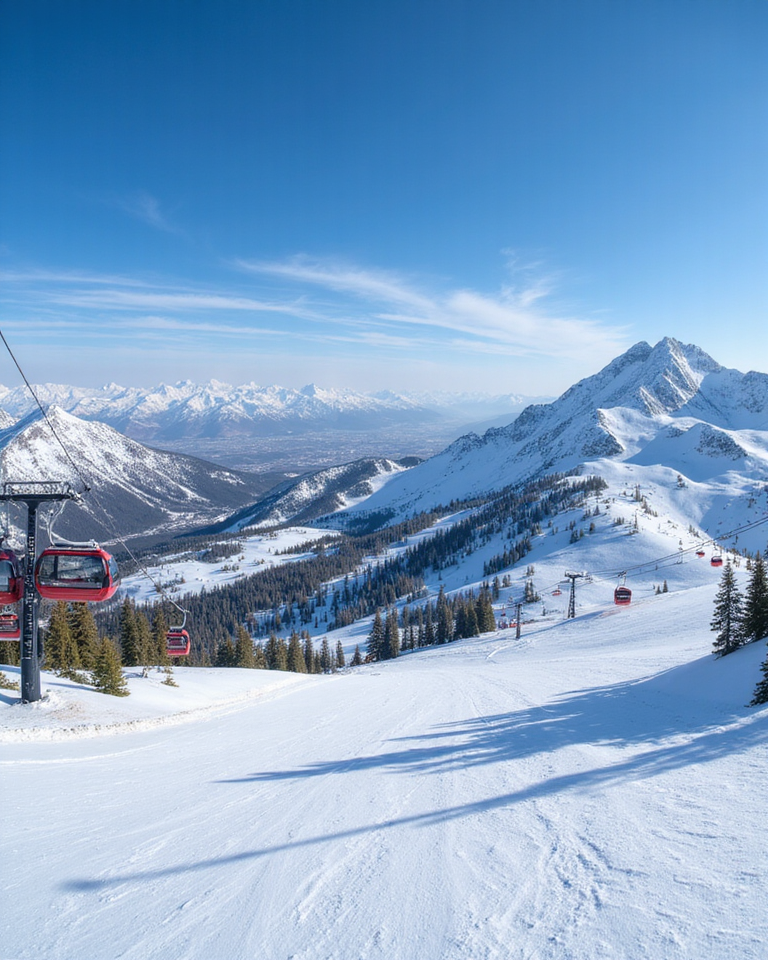
Serving as a gateway to the Caucasus Mountains, these resorts appeal to adventurous travelers seeking new terrain and authentic experiences away from conventional ski hubs. Georgian cuisine, historical sites, and vibrant local traditions further enrich a visit to these alpine gems.
Sustainability and Eco-Friendly Practices in Asian Ski Resorts
As winter tourism grows, many Asian ski destinations are embracing sustainability to minimize environmental impact while maintaining high-quality visitor experiences. Efforts include renewable energy use for lifts and facilities, waste reduction programs, and conservation of surrounding natural habitats.
Travelers interested in eco-friendly skiing can seek resorts that prioritize green practices and support local communities. This approach ensures that the pristine mountain environments, upon which skiing depends, remain protected for future generations.
Engaging with Local Communities
Participating in local events, buying handicrafts, and dining at family-run restaurants helps sustain the economic vitality of mountain villages. Ski visitors can respectfully connect with residents, gaining deeper insight into regional lifestyles and traditions, which rounds out an already enriching mountain adventure.
Additional Adventure Activities to Complement Your Ski Trip
Snowshoeing and Winter Hiking
Many lesser-known Asian resorts offer trails for snowshoeing or guided winter hikes, providing alternative ways to explore the serene snowy landscapes. These activities are suitable for all ages and skill levels, allowing travelers to appreciate the tranquility and natural beauty away from the ski slopes.
Cross-Country Skiing
For those seeking endurance and a different challenge, cross-country skiing trails are available at select resorts. This Nordic skiing style offers a full-body workout while meandering through scenic forests and open landscapes, deepening the winter experience beyond downhill skiing.
Cultural Excursions and Sightseeing
Complement winter sports with visits to historical sites, museums, and traditional villages near ski areas. Regions like Nagano and Central Asia are rich in cultural heritage, and winter travelers can combine outdoor adventure with educational day trips or local festivals, enhancing the uniqueness of their holiday.
Conclusion: Embrace Asia’s Winter Adventure Diversity
For travelers eager to experience snow and skiing this winter without following the well-trodden paths, Asia’s lesser-known destinations provide thrilling alternatives. From Japan’s vast but tranquil resorts to the cultural richness of Central Asia’s snowy highlands, these hidden gems perfectly merge winter sports with authentic local experiences.
By exploring these offbeat mountains, visitors can enjoy pristine powder, fewer crowds, and a deeper connection to the region’s traditions and natural beauty. Whether you’re a beginner seeking gentle slopes or an expert craving adventurous descents, Asia’s winter landscapes await your discovery.
Prepare wisely with the practical tips outlined, stay open to new cultural encounters, and your winter trip to Asia’s hidden ski havens will be both exhilarating and unforgettable.
Ready to plan your stay?
Explore accommodation options for your destination on Bloonsoo.