Top 10 Places to Visit in Thailand

Thailand, also known as the “Land of Smiles,” is a popular vacation spot known for its numerous attractions and friendly people. The numerous cultural, historical, natural, and recreational experiences it offers make it attractive to tourists.

Thailand, also called the “Smiling land,” is a well-liked vacation destination with several attractions as well as friendly people. It offers a lot to the visitors in terms of cultural, historical, natural and recreational experiences and this makes it attractive to tourists.

The country’s vast cultural heritage is portrayed through its many ancient temples, lively festivities and traditional arts. Bangkok, Ayutthaya and Sukhothai have beautiful temples and historical sites where one can have a glimpse of Thailand’s long history. The beaches are equally interesting in Thailand with its stunning beaches, lush rainforests, and idyllic mountains. These islands include Phuket, Koh Samui and Phi Islands which are famous for their crystal-clear waters or swimming, diving as well as sunbathing. On the other hand, Chiang Mai and Pai in the north have trekking options to explore waterfalls, interact with hill tribes so that tourists get insights into local culture.


The country’s lively markets, for example Chatuchak weekend market and night bazaars in Chiang Mai, offer unique shopping experiences that include wide ranges of Thai fabrics, handiworks and street food. Cultural diversity is what makes Thai dishes so attractive with its spicy, highly flavored and diverse menus which suit all tastes. The ability of Thailand to be whatever the traveler desires – adventure, relaxation, cultural immersion or culinary delights – is the core of tourism value in this country. Most people visit the famous cities and islands, but there are many towns throughout the land that provide different experiences. These are ten towns in Thailand that you should think about including on your itinerary.

Chiang Mai
SLCM_Chiang Mai

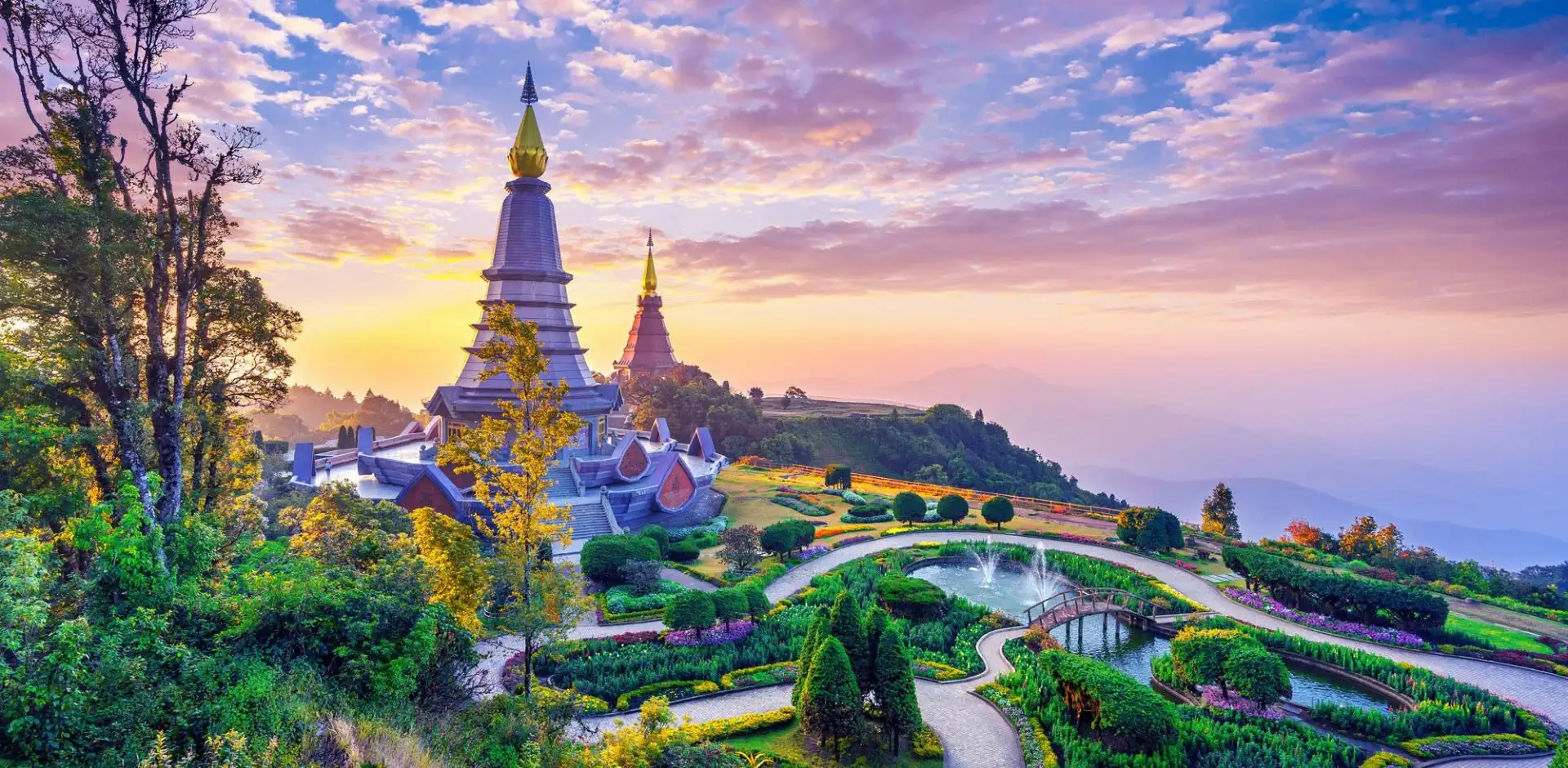
The largest city in Northern Thailand, Chiang Mai has beautiful ancient temples, stunning mountain scenery and a lively nightlife. The moat and wall relics can be found surrounding the historical center of the city. Wat Phra Singh and Wat Chedi Luang are among must-visit sanctuaries. Also from it, you can trek around, visit hill tribes or explore Doi Suthep-Pui National Park nearby where Wat Phra That Doi Suthep provides panoramic views of the city.

Find 10 Places to visit in Chiang Mai :  Top 10 Places to Visit in Chiang Mai, Thailand – Marriex Blog (marriextransfer.com)

Pai

Pai-chiang-mai-thailand_opt

Pai is in the Mae Hong Child region and is a rather small town that has gained quite a reputation for being relaxed, beautiful, and artsy. Natural attractions of Pai include hot springs, Pai Hot Springs, Mo Paeng and Pam Bok waterfalls, and the Pai Canyon which is in a valley surrounded by mountains. The Pai Walking Street is very active in the evening mainly in food selling area, especially selling of street food, art and craft and selling of Musical instruments for live performances.

Ayutthaya

ayutthaya-things-to-do-backpacking-itinerary-main-image-op

The second capital of the Siamese Kingdom, Ayutthaya is a UNESCO World Heritage place of a lot of importance. Several temple and palace ruined includes the town’s largest temple called Wat Phra Si Sanphet and the famous Wat Mahathat temple that houses a stunning Buddha head that is trapped in the trunk of a tree. The remnants of these structure are explored either on bikes or on boats, which gives a short and splendid glimpse of Thailand’s past.

Sukhothai

Sukhothai Historical Park

Sukhothai, still another Heritage site is celebrated for the completely protected authentic park. The Lamphun antique park is preserving all relics of the ancient city, including such significant temples as Wat Mahathat and Si Pal temple with its huge statue of Buddha. It is recommended to explore the recreation area on a bike; this way, the guests can fully immerse themselves in the calm, historic atmosphere.

Find 10 Places to Visit in Sukhothai : https://marriextransfer.com/things-to-do-in-sukhothai-city-thailand/

Hua Hin
hilton-hua-hin-resort

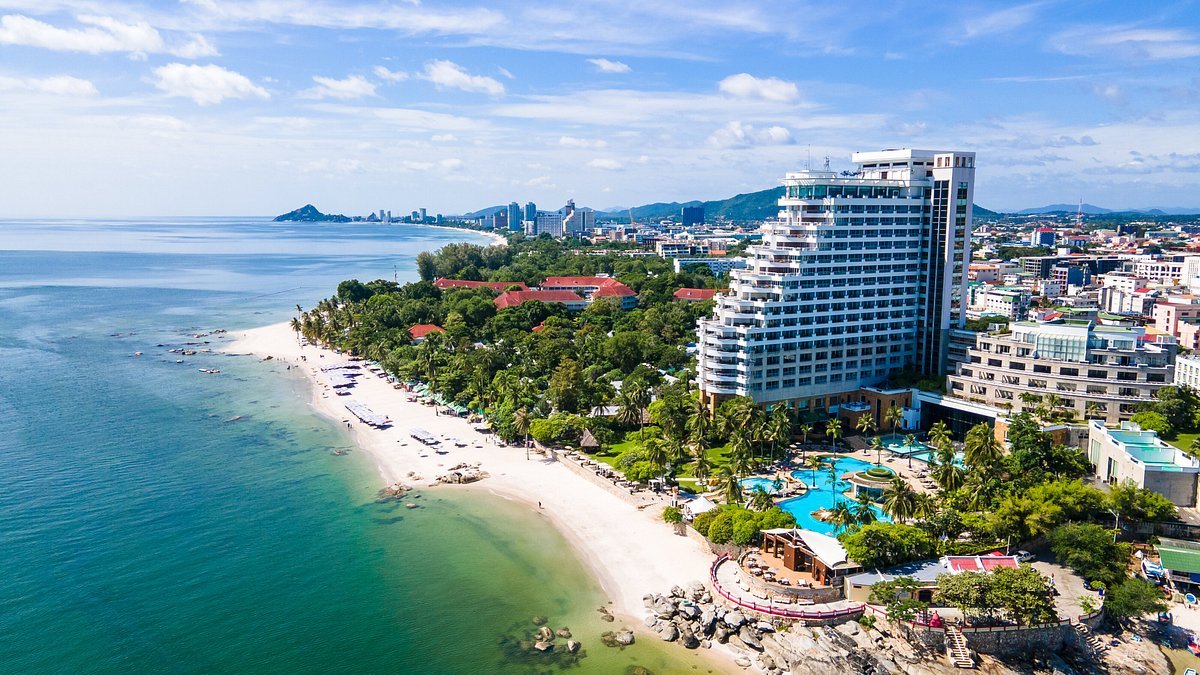
Hua Hin has unlimited facilities for tourists and you can enjoy its beach and the town was originally a royal vacation place. This destination has for quite a long time served as a recreational spot for people in Bangkok and the Thai royal family. Tourist sites such as the Khao Takiab and Hua Hin Beach are found in the town as well as the Cicada Market and the Hua Hin Railway Station. One gets opportunities of going on nature walks, as well as viewing wildlife since the Kaeng Krachan National Park is nearby.

Find 10 Places to Visit In Hua Hin: https://marriextransfer.com/10-places-to-visit-in-hua-hin/

Chiang Rai
Chiang-Rai-Wat-Phra-Singh

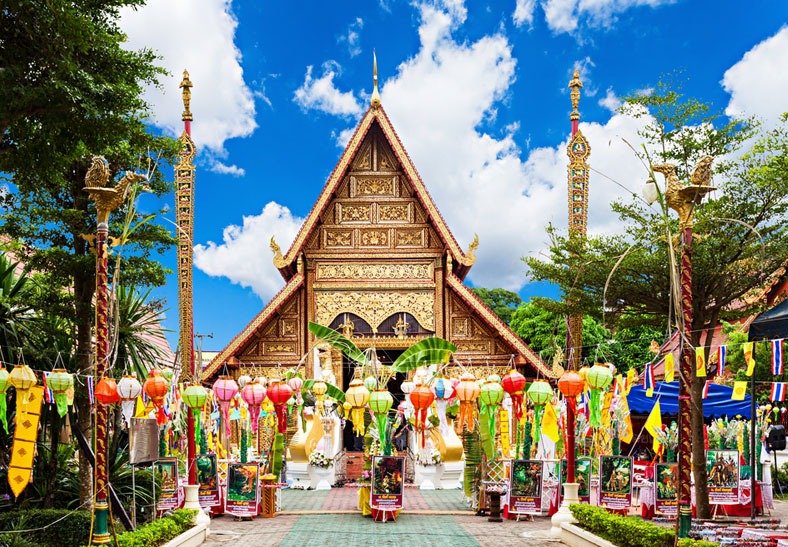
In the far Northern region, there is the White temple which is also Known as Wat Rong Khun, this is a contemporary and an unconventional Lanna style temple constructed by the artist named Chalermchai Kositpipat. Some other attractions located in the town include the Baan Dam Museum also known as the Black House and Wat Rong Suea Ten, the Blue Temple antecedently referred to also known as the Sathani Pangan Museum. Chiang Rai serves as a gateway to the Bright Triangle, factually Thailand, Laos and Myanmar.

Find 10 Places to Visit In Chiang Rai :   https://marriextransfer.com/10-places-to-visit-in-chiang-rai/

Lampang
4-1223

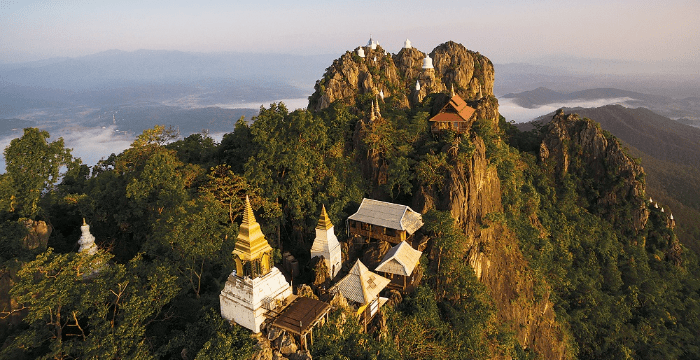
Lampang often over-looked as a tourist destination is a hidden gem in Northern part of the country. The town with the preserved original Lanna structures and stunning wooden temple ensembles such as Wat Phra That Lampang Luang and is perfect for relaxation. Carriages can be hailed as the unique means of transport in this part of the world and tends to be an exquisite way to tour the beautiful town streets.

Nan
4-6660

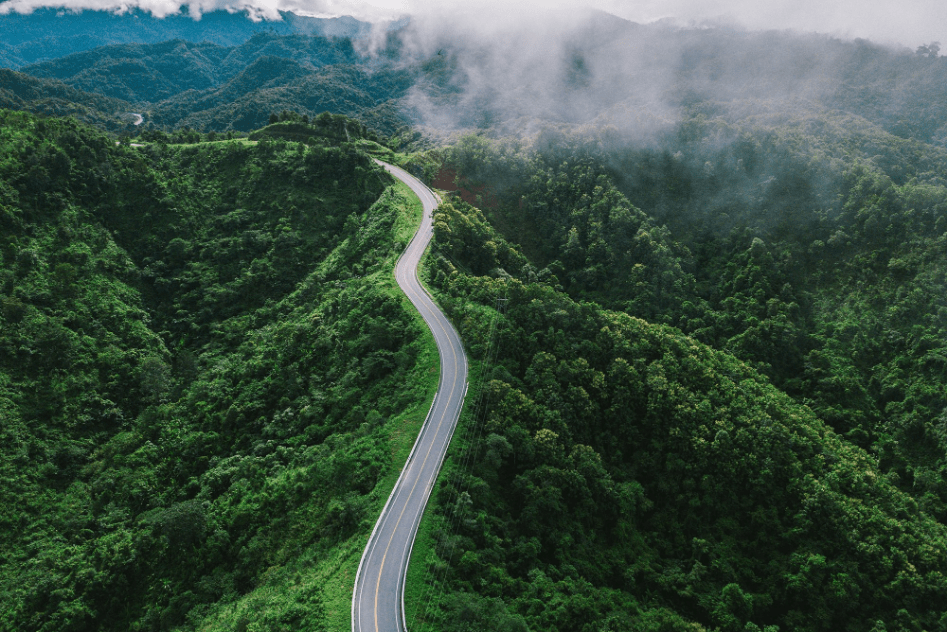
Nan is a pretty small town located in a valley nearly to boundary of Laos. It is characterized by a wealthy social heritage and beautiful vicinities. The most interesting site is Wat Phumin, which is known for its rich paintings depicting the scenes of people’s lives and mythological stories. At the Nan Riverside Art Gallery, the art is contemporary and the location is peaceful and calm. From Nan, visitors make easy trips to see the countryside and the Doi Phu Kha National Park.

Trang
paradise-island-in-trang

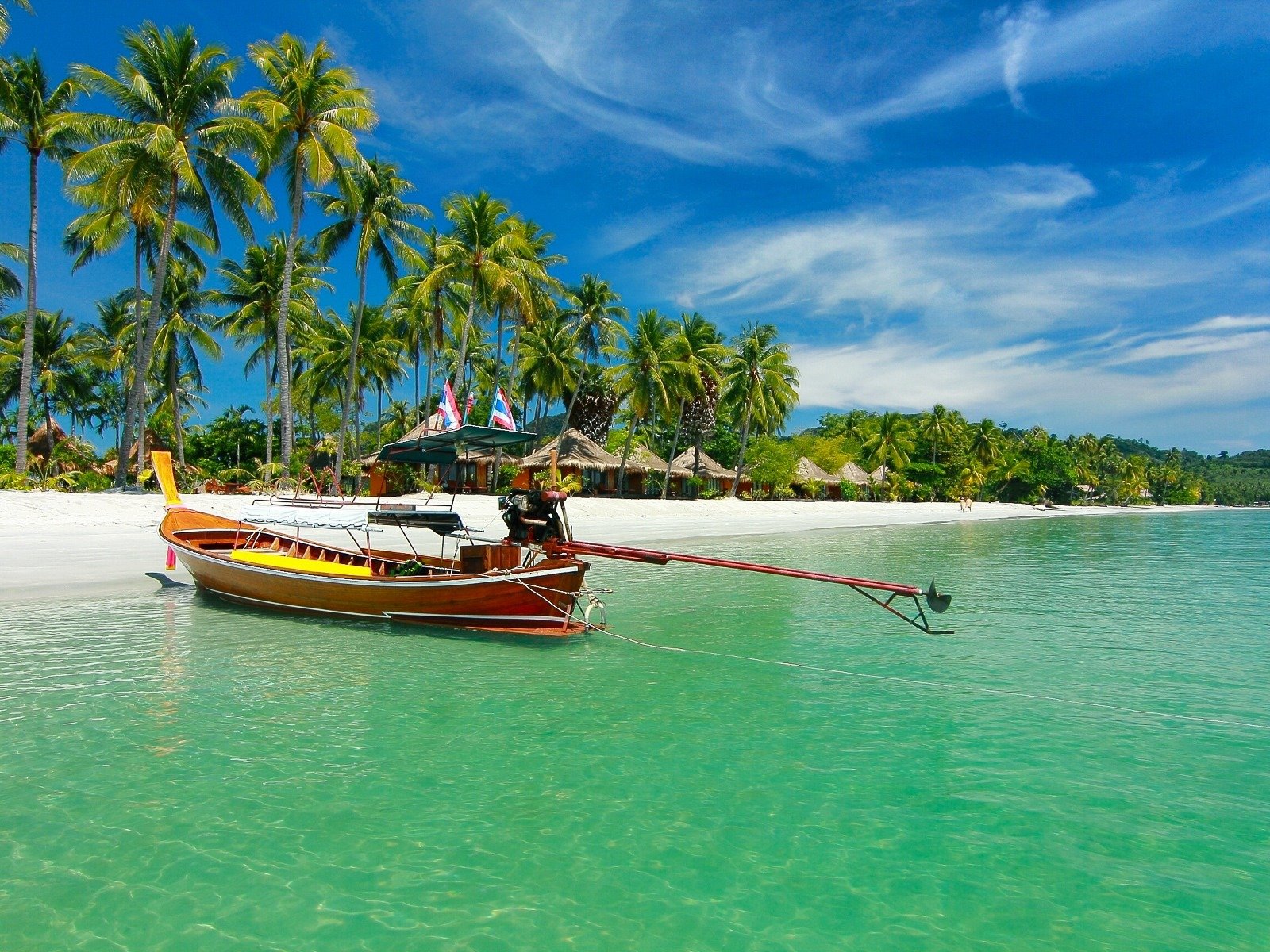
Trang is located in the southern part of Thailand and unlike other, more touristic destinations it is a bit calmer. Roasted pork and breakfast dim sums are among the dishes that revolve around the food loving headed towards the town. There are splendid beaches nearby, namely Pak Meng, and there is the famous Morakot Cave where visitors can travel by boat through an emerald-lagoon to the cave. Trang is also a door to beautiful islands such like Koh Kradan and Koh Muk for example.

Phetchaburi
Stupa-Phetchaburi-Thailand

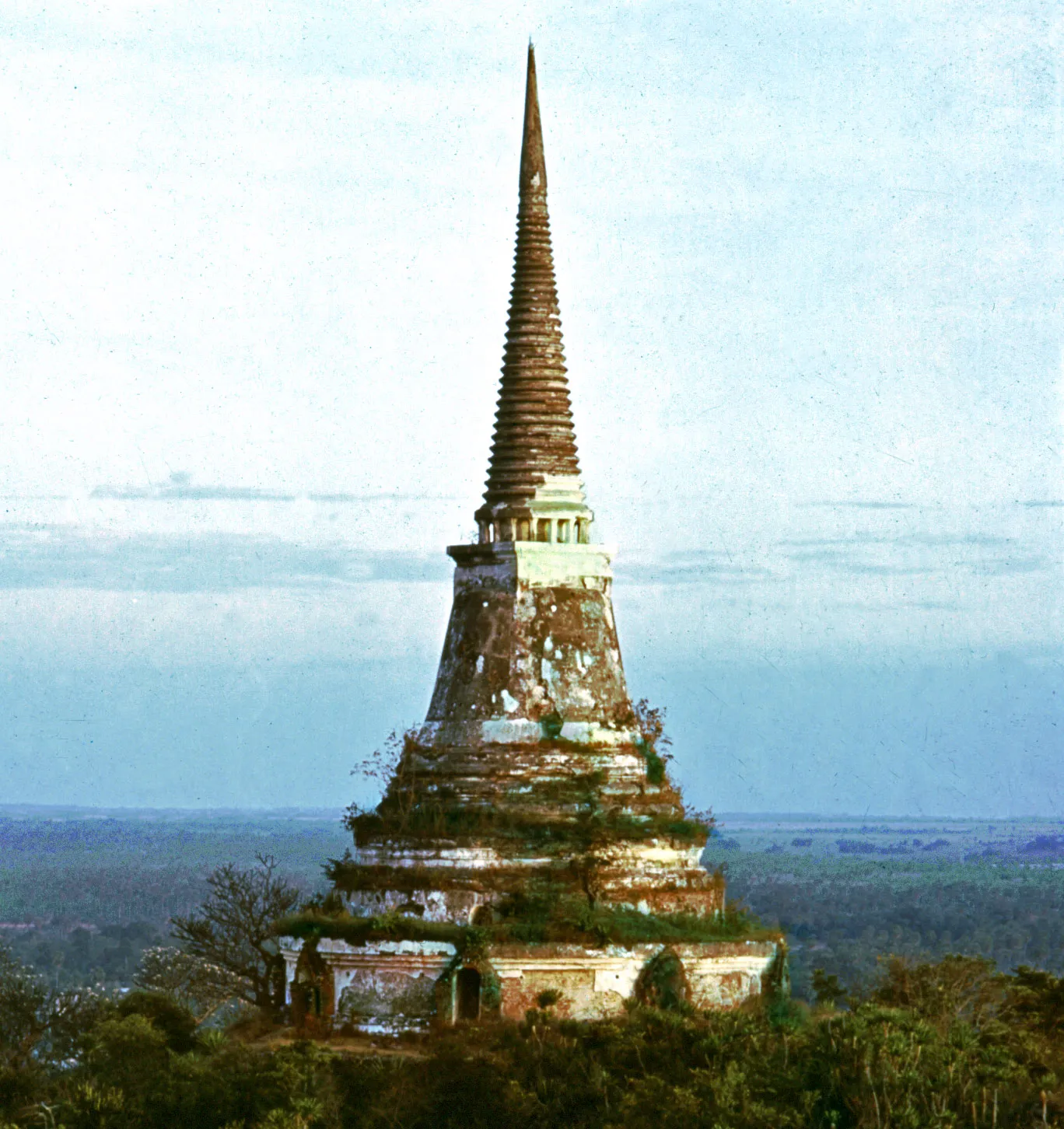
Phetchaburi is an old city with many attractions both natural and cultural. At the top of a hill, you will find temples (as well as palaces and museums) within Phra Nakhon Khiri Historical Park. Tham Khao Luang is famous with cave temples including temples of Lord Buddha statues and hanging rocks. Nearby, there are great treks and bird watching tours in Kaeng Krachan National Park; You can also tour the waterfalls. At the sprawling Kaeng Krachan National Park, hiking trails meander through dense forest and past waterfalls, making birdwatching another popular activity.

The ten towns suggest that there is more to Thailand than just its famous islands and other well-trodden tourist destinations. Every town has different history, tradition and natural heritage that they could be proud of it. These locations promise to enrich one’s exploration of Thailand, whether the objective is to investigate ancient ruins, appreciate peaceful rural landscapes, or enjoy the sun on a serene beach.

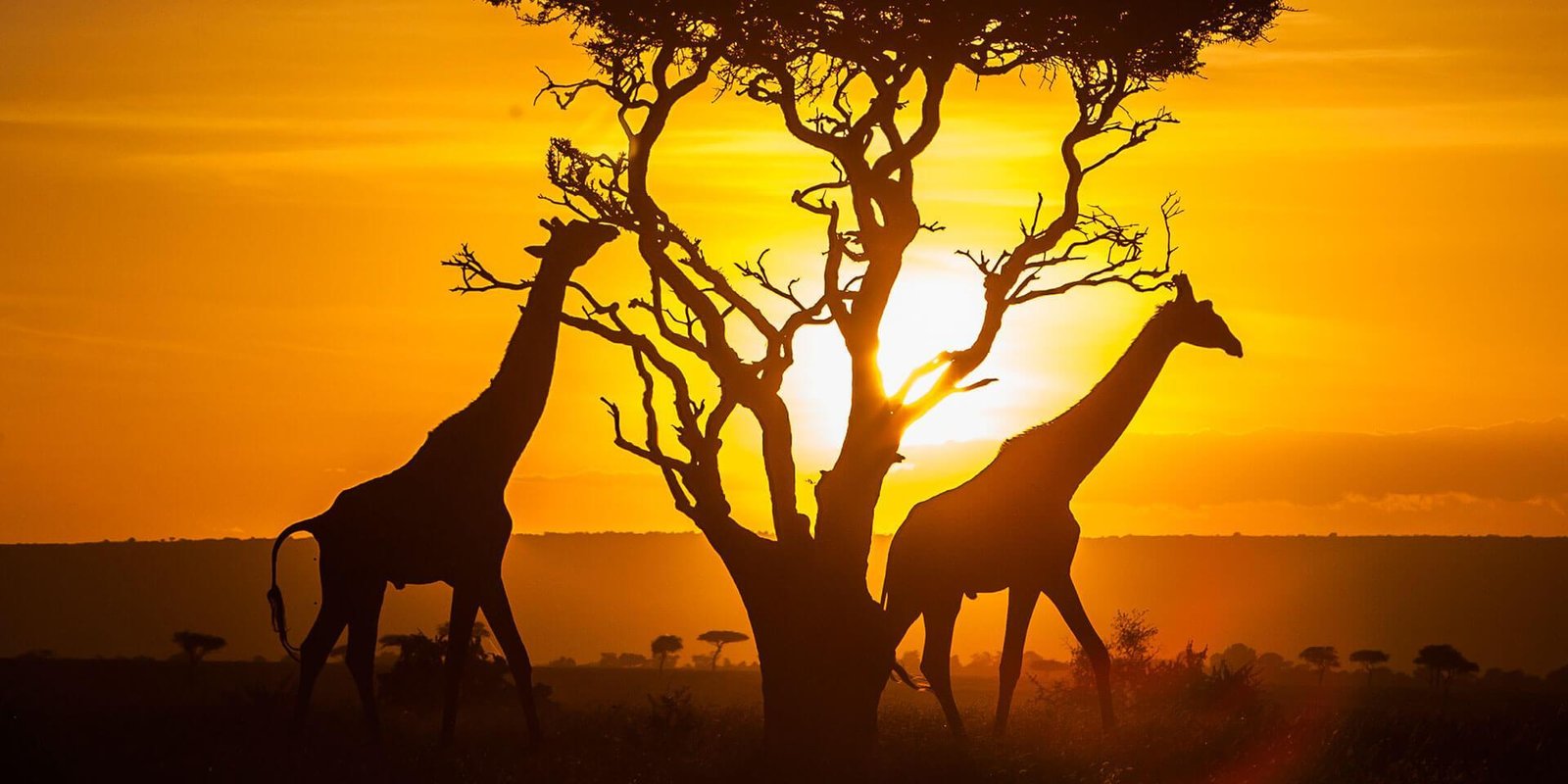
Discovering the Rich Tapestry of Kenya: A 14-Day Vacation Itinerary Blending Nature, History, and Serenity

Discovering the Rich Tapestry of Kenya: A 14-Day Vacation Itinerary Blending Nature, History, and Serenity

kanaloa-viaggi-liberta-kenya-safari-10

Embarking on a 14-day vacation in Kenya offers a unique opportunity to explore a country that seamlessly weaves together natural wonders, rich history, and pristine beaches. From the bustling capital city of Nairobi to the serene beaches of the coast, Kenya promises a diverse and immersive experience for every traveler. This comprehensive itinerary will guide you through a journey that combines wildlife safaris, historical exploration, and relaxation on the breathtaking coastal beaches.

Day 1-2: Nairobi – A Glimpse of Urban Kenya


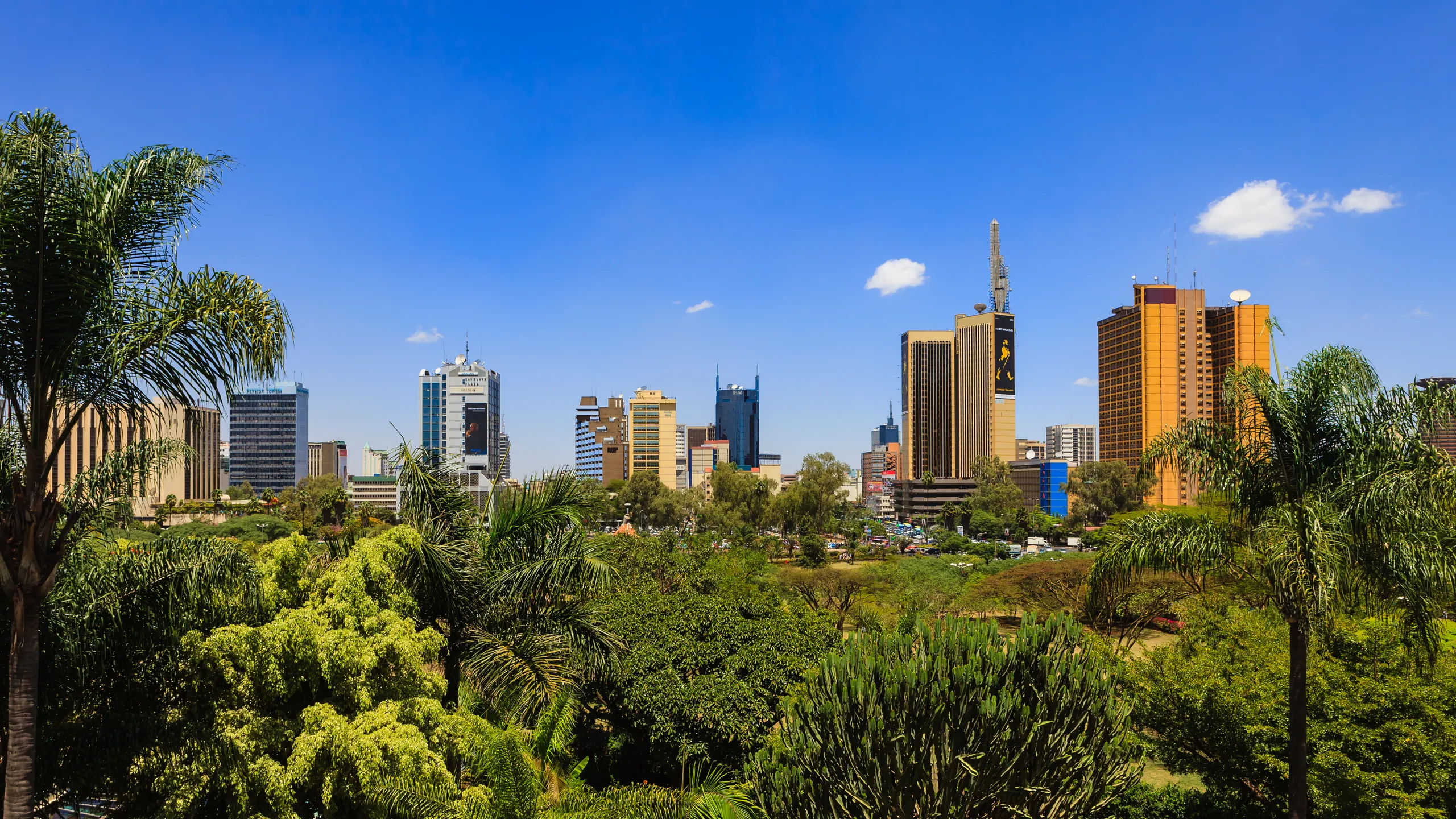
Your adventure begins in Nairobi, the capital city. Spend your first day exploring the Nairobi National Park, a unique wildlife reserve where you can witness a stunning array of wildlife against the backdrop of the city skyline. On day two, visit the David Sheldrick Wildlife Trust and the Giraffe Centre, offering intimate encounters with rescued elephants and endangered Rothschild giraffes.
Day 3-5: Maasai Mara – Wildlife Safari Extravaganza
Fly to Maasai Mara, Kenya’s most famous wildlife reserve. Spend the next three days on an immersive safari experience, witnessing the annual migration of wildebeests (if visiting during migration season). Encounter the Big Five – lions, elephants, buffaloes, leopards, and rhinoceros – as well as countless other species, all against the stunning backdrop of the Mara’s vast savannah.
Day 6-8: Lake Nakuru – Birdwatcher’s Paradise
Drive to Lake Nakuru, a paradise for bird enthusiasts. The lake is home to millions of flamingos, creating a vibrant pink spectacle along its shores. Enjoy a game drive in Nakuru National Park, where you can spot rhinos, lions, and other wildlife. Take a boat ride on the lake and marvel at the diverse birdlife that calls this area home.
Nairobi,Kenya_GettyImages-517003864
Amboseli-Elephants

Day 9-10: Amboseli National Park – Majestic Views of Mount Kilimanjaro

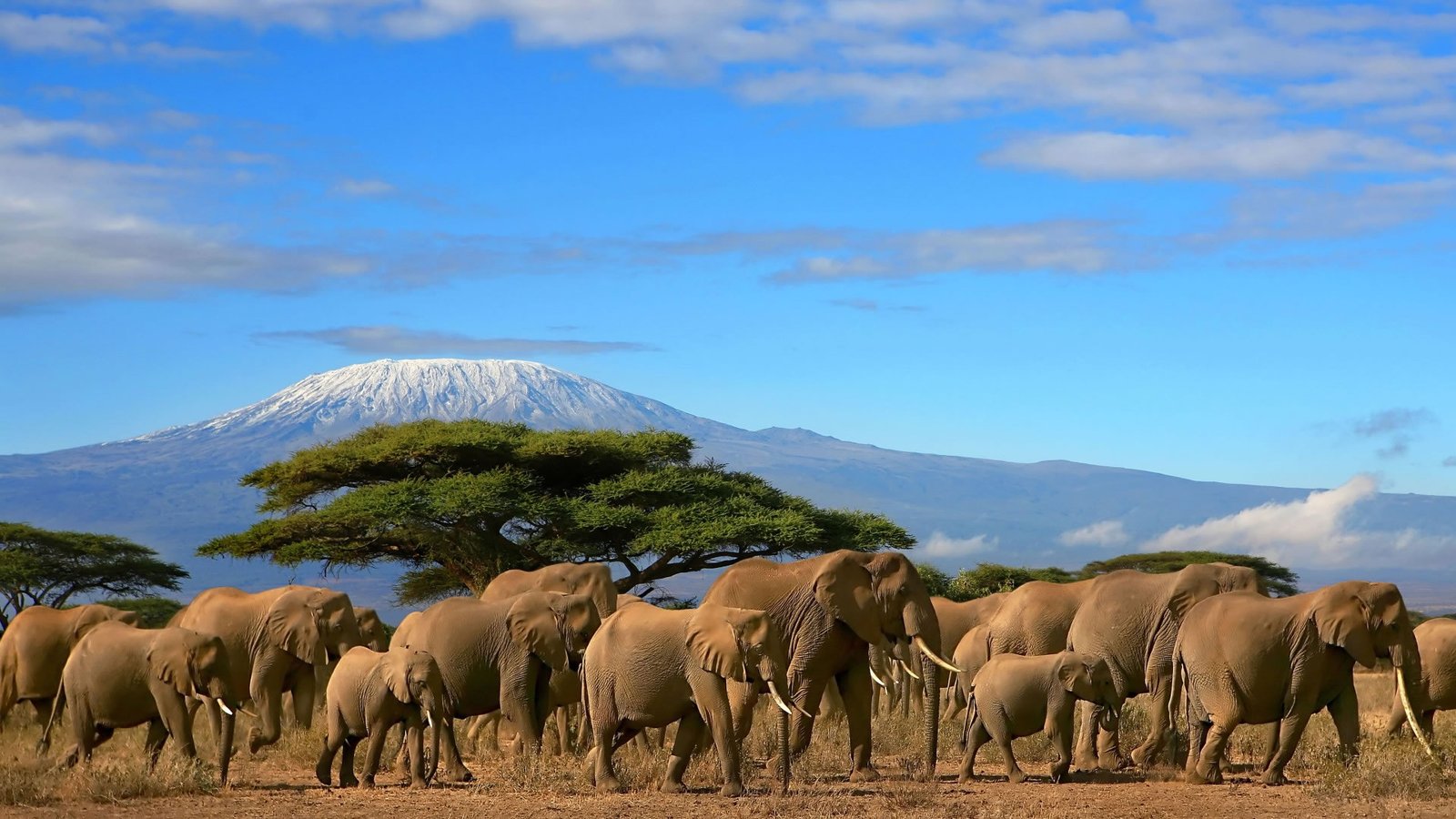
Head to Amboseli National Park, known for its stunning views of Mount Kilimanjaro. Enjoy game drives with a unique perspective as you witness wildlife against the breathtaking backdrop of Africa’s highest peak. Amboseli is renowned for its large herds of elephants, making for unforgettable encounters with these majestic creatures.
Day 11-12: Lamu Archipelago – Historical and Cultural Gem
Fly to the Lamu Archipelago on the Kenyan coast. Lamu Town, a UNESCO World Heritage Site, boasts a well-preserved Swahili culture and architecture. Explore the narrow winding streets, visit Lamu Fort, and take a dhow cruise to Manda Island. Relax on pristine beaches and immerse yourself in the laid-back atmosphere of this historical and cultural gem.
Day 13-14: Diani Beach – Serenity by the Indian Ocean
Conclude your journey with a flight to Diani Beach, renowned for its white sandy shores and crystal-clear waters. Unwind in luxurious beachfront resorts, indulge in water sports, or simply relax by the Indian Ocean. Visit the nearby Shimba Hills National Reserve for a unique blend of coastal and forest ecosystems. Take in the beauty of the Colobus monkeys and diverse birdlife.

A Journey Through Kenya’s Rich History: From Ancient Roots to Modern Vibrancy

Introduction:
Nestled in the heart of East Africa, Kenya is a country with a history as diverse and vibrant as its landscapes. From the ancient civilizations that once thrived in its fertile lands to the struggles for independence and the modern-day dynamism, Kenya’s history is a captivating tale of resilience, cultural diversity, and societal evolution. This narrative will take you on a journey through the key epochs of Kenya’s history, exploring the roots of its people, the impact of colonization, the fight for independence, and the nation’s ongoing pursuit of progress.
Ancient Roots:
Kenya’s history dates back thousands of years, with evidence of human habitation in the region stretching as far back as the Stone Age. The Great Rift Valley, a geological marvel that traverses Kenya, has been a cradle of human civilization, and archaeological sites such as Koobi Fora have yielded significant fossils, providing insights into early hominids.
The Swahili Coast:
As trade routes flourished across the Indian Ocean, the Swahili Coast became a hub of commerce, culture, and interaction. By the 8th century, Arab and Persian traders had established coastal settlements, forming the basis of the Swahili culture that would later blend with indigenous Bantu societies. This cultural fusion created the unique Swahili language and laid the foundation for the coastal city-states, including Mombasa and Lamu, which played crucial roles in Indian Ocean trade.
Colonial Era:
The late 19th century saw the arrival of European powers on the African continent, marking a transformative period for Kenya. The Berlin Conference of 1884-1885 formalized the scramble for Africa among European powers, leading to the establishment of British East Africa. The construction of the Uganda Railway, connecting the Indian Ocean to Lake Victoria, had a profound impact on the region, attracting European settlers and forever altering the socio-economic landscape.
The “Scramble for Africa” had severe consequences for the indigenous peoples of Kenya. Land dispossession, forced labor, and the imposition of colonial administration disrupted traditional ways of life. The resistance against colonial rule manifested in movements such as the Mau Mau Uprising in the 1950s, characterized by the struggle for land rights and independence.
Independence and the Mau Mau Uprising:
The fight for independence in Kenya was marked by both political and armed resistance. Jomo Kenyatta, a prominent leader in the anti-colonial movement, played a pivotal role in negotiating Kenya’s path to independence. The Mau Mau Uprising, led by the Land and Freedom Army, sought to reclaim ancestral lands and challenge British rule. The conflict, marked by guerrilla warfare and atrocities on both sides, shaped the trajectory of Kenya’s struggle for self-determination.
Kenya gained independence on December 12, 1963, with Jomo Kenyatta becoming the country’s first Prime Minister. The newfound freedom, however, came with the challenges of nation-building and reconciling communities that had been divided during the colonial era.
Post-Independence Challenges and Achievements:
The post-independence period in Kenya was characterized by efforts to consolidate national identity, foster economic development, and address social inequalities. The construction of the Thika Road and other infrastructure projects marked Kenya’s commitment to modernization. However, political challenges, corruption, and ethnic tensions posed obstacles to the nation’s progress.
The 2002 elections marked a turning point with the election of Mwai Kibaki, bringing an end to the long-standing rule of the Kenya African National Union (KANU). The new millennium witnessed efforts to reform governance and strengthen democratic institutions, although the path was not without its hurdles.
Contemporary Kenya:
In recent years, Kenya has emerged as a regional economic powerhouse and a hub for innovation and technology. Nairobi, the capital, has earned the nickname “Silicon Savannah” for its burgeoning tech sector. The country’s diverse landscapes, from the savannahs of Maasai Mara to the beaches of the Indian Ocean, continue to attract tourists from around the world.
Kenya’s history, marked by both triumphs and challenges, has shaped the nation into a resilient and culturally rich tapestry. The echoes of the past resonate in the traditions of its people, the dynamic urban centers, and the breathtaking natural wonders that define Kenya’s identity on the global stage. As the country continues to evolve, its history remains a source of inspiration, reminding us of the strength derived from unity and the pursuit of a brighter future.

Mount Everest, the Tallest Mountain in the World – Unraveling the History, Challenges, and Triumphs of the Everest Ascent

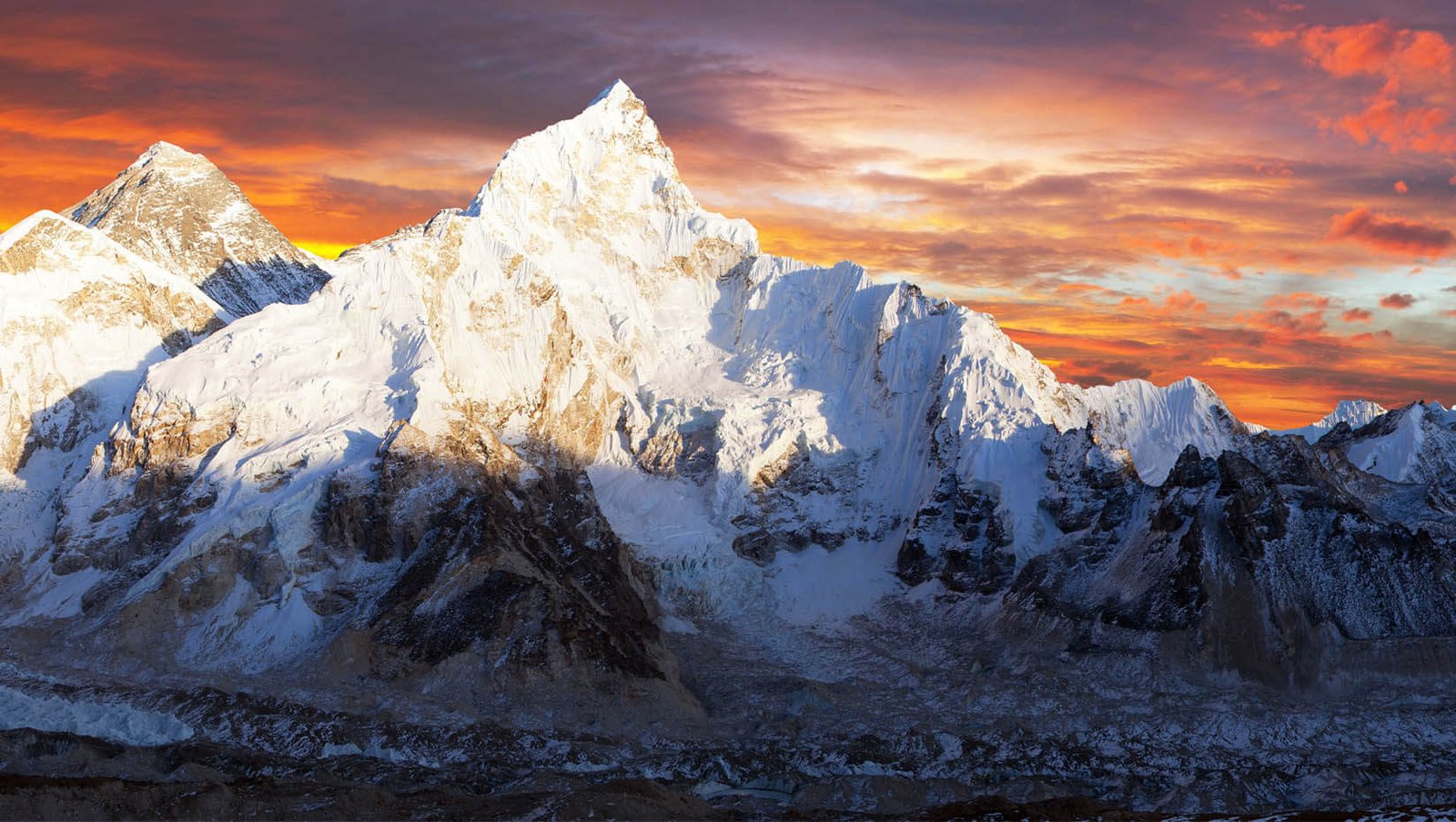
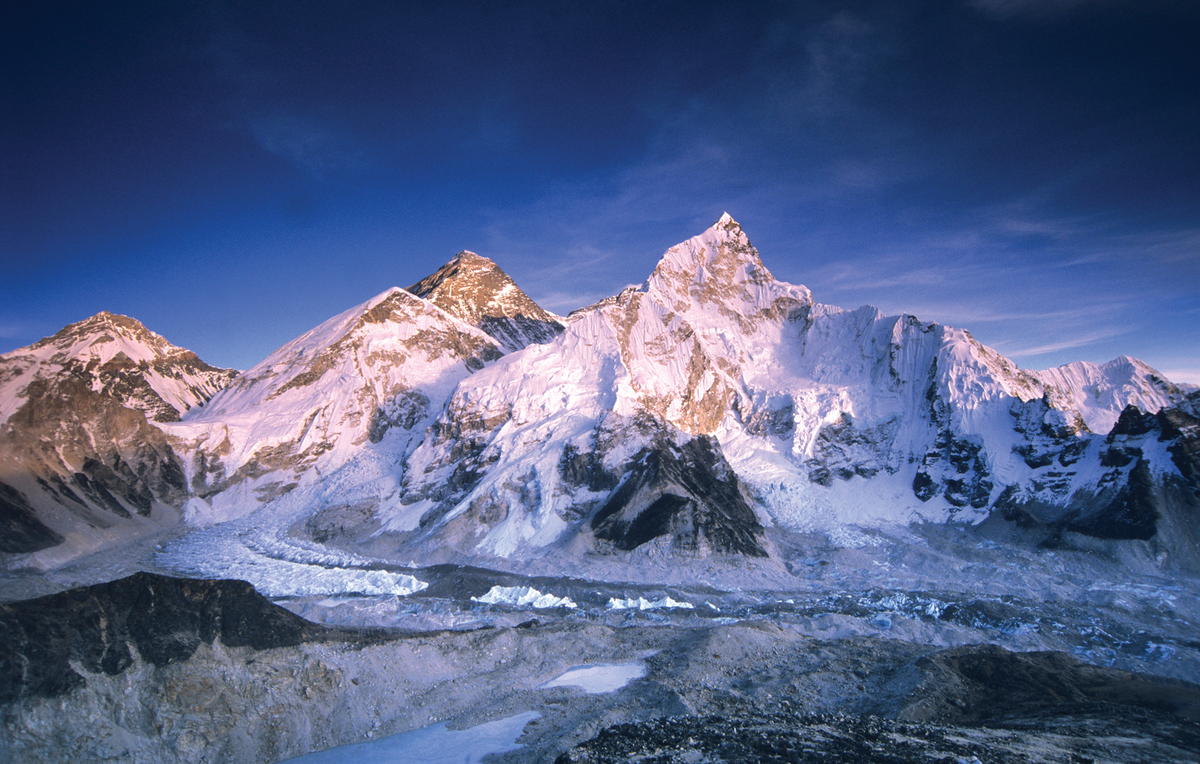
Mount Everest, the tallest mountain in the world, stands majestically at the border of Nepal and China, reaching a staggering height of 29,032 feet (8,848 meters) above sea level. Its summit is the highest point on Earth, and scaling its formidable heights has been a dream and a challenge for mountaineers from around the globe.

The journey to the top of Everest is not only a physical test but also a mental and emotional one. The mountain has a rich history, deeply intertwined with the human spirit’s relentless pursuit of conquering the seemingly unconquerable. The geological story of Everest is as fascinating as its summit is daunting.

Situated in the Himalayan range, Everest was formed millions of years ago as the Indian and Eurasian tectonic plates collided. This collision led to the uplift of the Himalayas, and Everest emerged as the jewel in this crown of towering peaks. The mountain’s name, “Everest,” was bestowed in 1865 in honor of Sir George Everest, the British surveyor general of India.

The trek to Everest’s base camp, situated at an altitude of around 17,600 feet (5,364 meters), is an adventure in itself. Trekkers navigate through picturesque landscapes, passing through remote Sherpa villages and dense forests, gradually acclimatizing to the increasing altitude. The base camp serves as a staging point for the ascent, with climbers spending weeks acclimatizing and preparing for the challenging climb ahead.

The route to the summit is known as the Southeast Ridge, and it begins at the Khumbu Icefall, a treacherous and ever-shifting glacier. Climbers navigate through towering ice seracs and deep crevasses, overcoming the inherent dangers of this icy labyrinth. Sherpas, the indigenous people of the region, play a crucial role in supporting climbers, carrying equipment, setting up camps, and guiding them through the perilous terrain.

As climbers ascend beyond the icefall, they encounter the Western Cwm, a vast, glacier-covered valley that leads to the Lhotse Face. The Lhotse Face is a steep ice wall that demands technical skill and endurance. Camps are strategically set up along the route, providing necessary rest and acclimatization.

The South Col, located at approximately 26,000 feet (7,925 meters), serves as the final camp before the push to the summit. Climbers face the daunting challenge of the “Death Zone” above 26,247 feet (8,000 meters), where oxygen levels are critically low, and the human body’s ability to function is severely compromised.

The ascent from the South Col involves negotiating the Southeast Ridge, battling bitter cold, high winds, and the ever-present risk of avalanches. The Hillary Step, a vertical rock wall, poses a final obstacle before reaching the summit. Climbers must carefully navigate this technical section before stepping onto the rooftop of the world.

Reaching the summit is an overwhelming achievement, a moment of triumph against nature’s most formidable forces. The view from the top is unparalleled, offering a panorama of jagged peaks, deep valleys, and the curvature of the Earth. However, the descent is equally perilous, and many accidents occur during this phase of the climb.

Everest’s allure goes beyond the physical challenge; it is a symbol of human tenacity, pushing the boundaries of what is possible. The mountain has witnessed triumphs and tragedies, with stories of heroic ascents and heartbreaking losses etched into its slopes. The legendary Sir Edmund Hillary and Tenzing Norgay made history in 1953 as the first to reach the summit, paving the way for future generations of climbers.

In recent years, Everest has faced environmental challenges, including the impact of climate change and the accumulation of waste left by climbers. Efforts are underway to address these issues and ensure the mountain’s preservation for future adventurers.

Mount Everest stands as a testament to the indomitable human spirit and the quest for exploration and achievement. Climbing its heights is a journey that demands courage, resilience, and a deep respect for the natural forces that shape this majestic peak. As long as there are dreamers and adventurers, Everest will continue to captivate and inspire, beckoning those who seek to test their limits on the roof of the world.

GettyImages-485966046
Mount-Everest-news-feature
9DEFEF32-5C80-475D-BE552FB578615C95_source

History Sigiriya Sri Lanka

Sigiriya is a historic site located in Sri Lanka. It is an ancient rock fortress and palace ruin that was built during the reign of King Kashapa I, who ruled from 477 to 495 AD. The fortress was built on a massive rock column that rises 200 meters above the surrounding plain. It is renowned for its architectural, hydraulic, and decorative engineering systems.

King Kashapa I is remembered for his massive building projects, including the construction of Sigiriya. He is also known for having killed his father, King Dhatusena, in order to claim the throne, which led to a period of instability and warfare in Sri Lanka. Despite his controversial reputation, King Kassapa I is considered one of the most innovative monarchs in Sri Lanka’s history, and Sigiriya remains one of the country’s most popular tourist destinations.

shutterstock-1327703336

A 14-day tour of Sigiriya in Sri Lanka typically includes visits to the Sigiriya Rock Fortress, the nearby ancient city of Anuradhapura, the Dambulla Cave Temple, and the rock temples of Polonnaruwa.

For hotel booking, there are several options:

  1. Online travel agencies such as Bloonsoo.com . They often offer discounts and a wide range of hotels to choose from.

  2. Direct booking through the hotel’s website. This allows you to see the most up-to-date information and deals offered by the hotel.

  3. Local travel agents. They can provide recommendations based on your specific needs and budget and may also offer package deals that include transportation, guides, and other tour activities.

When booking a hotel in Sigiriya, consider factors such as proximity to the Sigiriya Rock Fortress, room quality and amenities, and price. Some popular hotel options in the area include Amaya Lake, Sigiriya Village, and Habarana Village by Cinnamon.