A Journey Through Kenya’s Rich History: From Ancient Roots to Modern Vibrancy
Introduction:
Nestled in the heart of East Africa, Kenya is a country with a history as diverse and vibrant as its landscapes. From the ancient civilizations that once thrived in its fertile lands to the struggles for independence and the modern-day dynamism, Kenya’s history is a captivating tale of resilience, cultural diversity, and societal evolution. This narrative will take you on a journey through the key epochs of Kenya’s history, exploring the roots of its people, the impact of colonization, the fight for independence, and the nation’s ongoing pursuit of progress.
Ancient Roots:
Kenya’s history dates back thousands of years, with evidence of human habitation in the region stretching as far back as the Stone Age. The Great Rift Valley, a geological marvel that traverses Kenya, has been a cradle of human civilization, and archaeological sites such as Koobi Fora have yielded significant fossils, providing insights into early hominids.
The Swahili Coast:
As trade routes flourished across the Indian Ocean, the Swahili Coast became a hub of commerce, culture, and interaction. By the 8th century, Arab and Persian traders had established coastal settlements, forming the basis of the Swahili culture that would later blend with indigenous Bantu societies. This cultural fusion created the unique Swahili language and laid the foundation for the coastal city-states, including Mombasa and Lamu, which played crucial roles in Indian Ocean trade.
Colonial Era:
The late 19th century saw the arrival of European powers on the African continent, marking a transformative period for Kenya. The Berlin Conference of 1884-1885 formalized the scramble for Africa among European powers, leading to the establishment of British East Africa. The construction of the Uganda Railway, connecting the Indian Ocean to Lake Victoria, had a profound impact on the region, attracting European settlers and forever altering the socio-economic landscape.
The “Scramble for Africa” had severe consequences for the indigenous peoples of Kenya. Land dispossession, forced labor, and the imposition of colonial administration disrupted traditional ways of life. The resistance against colonial rule manifested in movements such as the Mau Mau Uprising in the 1950s, characterized by the struggle for land rights and independence.
Independence and the Mau Mau Uprising:
The fight for independence in Kenya was marked by both political and armed resistance. Jomo Kenyatta, a prominent leader in the anti-colonial movement, played a pivotal role in negotiating Kenya’s path to independence. The Mau Mau Uprising, led by the Land and Freedom Army, sought to reclaim ancestral lands and challenge British rule. The conflict, marked by guerrilla warfare and atrocities on both sides, shaped the trajectory of Kenya’s struggle for self-determination.
Kenya gained independence on December 12, 1963, with Jomo Kenyatta becoming the country’s first Prime Minister. The newfound freedom, however, came with the challenges of nation-building and reconciling communities that had been divided during the colonial era.
Post-Independence Challenges and Achievements:
The post-independence period in Kenya was characterized by efforts to consolidate national identity, foster economic development, and address social inequalities. The construction of the Thika Road and other infrastructure projects marked Kenya’s commitment to modernization. However, political challenges, corruption, and ethnic tensions posed obstacles to the nation’s progress.
The 2002 elections marked a turning point with the election of Mwai Kibaki, bringing an end to the long-standing rule of the Kenya African National Union (KANU). The new millennium witnessed efforts to reform governance and strengthen democratic institutions, although the path was not without its hurdles.
Contemporary Kenya:
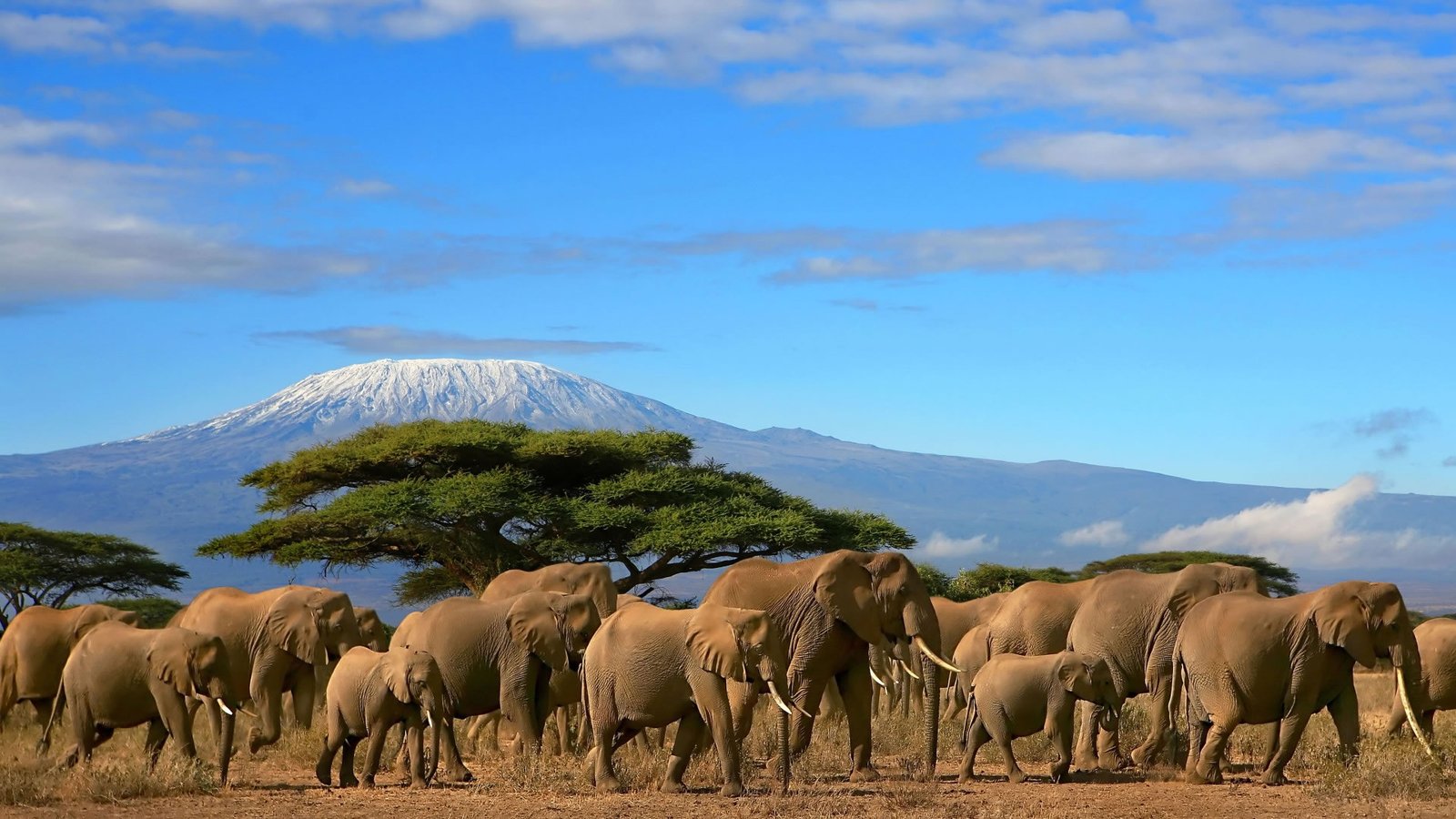
In recent years, Kenya has emerged as a regional economic powerhouse and a hub for innovation and technology. Nairobi, the capital, has earned the nickname “Silicon Savannah” for its burgeoning tech sector. The country’s diverse landscapes, from the savannahs of Maasai Mara to the beaches of the Indian Ocean, continue to attract tourists from around the world.
Kenya’s history, marked by both triumphs and challenges, has shaped the nation into a resilient and culturally rich tapestry. The echoes of the past resonate in the traditions of its people, the dynamic urban centers, and the breathtaking natural wonders that define Kenya’s identity on the global stage. As the country continues to evolve, its history remains a source of inspiration, reminding us of the strength derived from unity and the pursuit of a brighter future.