Exploring the ‘Everest of Diving’: Underwater Adventures near Kea with the Britannic Wreck
Introduction: Diving into History and Adventure near Kea
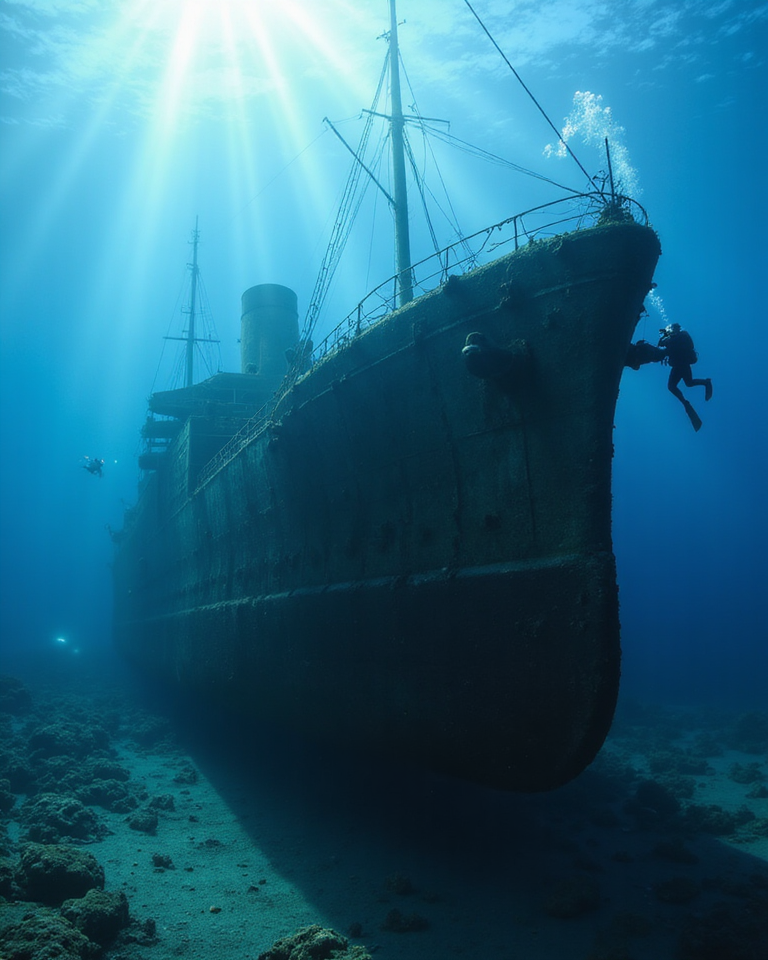
For diving enthusiasts seeking an extraordinary underwater journey, the waters around the Greek island of Kea offer a unique blend of adventure, history, and natural beauty. Among the island’s submerged treasures lies the Britannic, the ill-fated sister ship of the Titanic, resting silently beneath the waves. Nicknamed the ‘Everest of diving,’ this challenge calls experienced divers to explore a shipwreck steeped in maritime history and poignant stories.
This article guides travelers through the exciting opportunity to dive around Kea, unravel the legacy of the Britannic, and offers practical advice on making the most of this exceptional diving expedition.
Discovering Kea: The Dive Destination
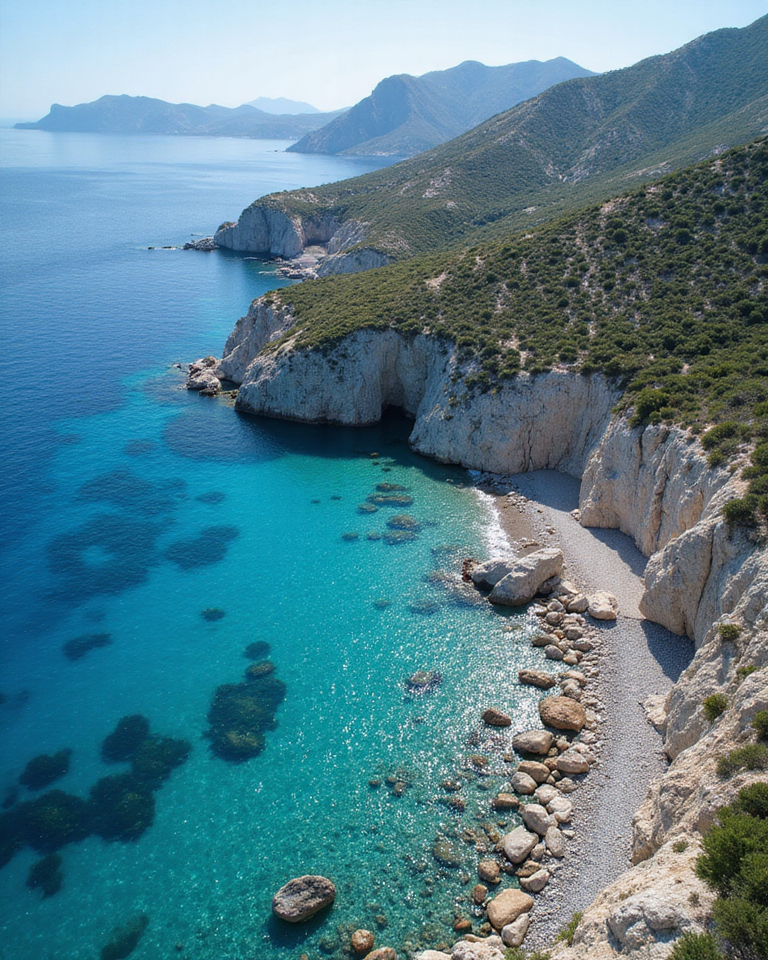
Kea, part of the Cyclades archipelago, is a gem largely undiscovered by mass tourism, known for its crystal-clear waters, rugged coastline, and rich cultural heritage. Beyond its idyllic villages and hiking trails, Kea’s surrounding seas harbor three renowned shipwrecks, with the Britannic attracting divers worldwide.
The island’s proximity to Athens — approximately an hour by ferry — makes it an accessible escape for adventurous travelers eager to combine the thrill of underwater exploration with traditional Greek island charm.
The Britannic Wreck: A Sister Ship’s Silent Story
The HMHS Britannic was the third and largest Olympic-class ocean liner of the White Star Line, sister ship to the Titanic and Olympic. Converted into a hospital ship during World War I, the Britannic struck a mine in the Aegean Sea in 1916, sinking off the coast of Kea.
Today, the wreck lies at a depth of approximately 120 meters (395 feet), making it one of the deepest wreck dives in European waters. Its immense size and historical importance have earned it the nickname ‘the Everest of diving,’ appealing to expert technical divers worldwide.
Preparing for the Dive: Practical Information
Required Diving Experience and Certification
Diving the Britannic is not for beginners. Due to its depth and technical nature, divers must hold advanced certifications such as Technical Diving qualifications or equivalent experience in deep wreck diving. Familiarity with decompression procedures, mixed gas diving, and strong underwater navigation skills is essential.
Several dive centers in Kea and the nearby mainland offer technical diving courses and guided expeditions to the Britannic wreck, often accompanied by experienced dive instructors familiar with the site’s conditions.
Best Time to Dive
The best months to dive near Kea are from late spring to early autumn (May to October), when water temperatures range between 18°C (64°F) and 26°C (79°F) and visibility often exceeds 20 meters (65 feet). Climatic conditions are generally stable, although divers should always check local weather and sea forecasts to ensure safe diving conditions.
Access and Accommodation
To reach Kea, travelers can catch ferries from Lavrio port near Athens. Ferries operate regularly, with journey times around 1 to 1.5 hours. Car or bike rentals on the island facilitate transport to dive centers and coastal diving spots.
The island offers various accommodation options from boutique hotels to seaside guesthouses, with many staying conveniently close to key dive operators.
Exploring the Britannic and Nearby Shipwrecks
The Wreck Site Itself
The Britannic lies broken into sections with some parts resting upright and others toppled over. Notable features visible to divers include the massive bow and stern, engine rooms, and cargo holds. The depth and site’s complexity require careful navigation to appreciate the wreck’s scale without disturbing its fragile ecosystem.
While penetration dives (entering the wreck interior) require advanced skills and specialized training, many divers focus on external exploration and photographing the structure’s huge skeletal frame and marine life colonizing the wreck.
Other Wrecks around Kea
Apart from the Britannic, nearby lies the wreck of the SS Burdigala, a French ocean liner sunk during WWI, and the German submarine U-133. These sites offer divers additional exploration opportunities, each with unique historical backgrounds and marine habitats.
Marine Life and Underwater Environment
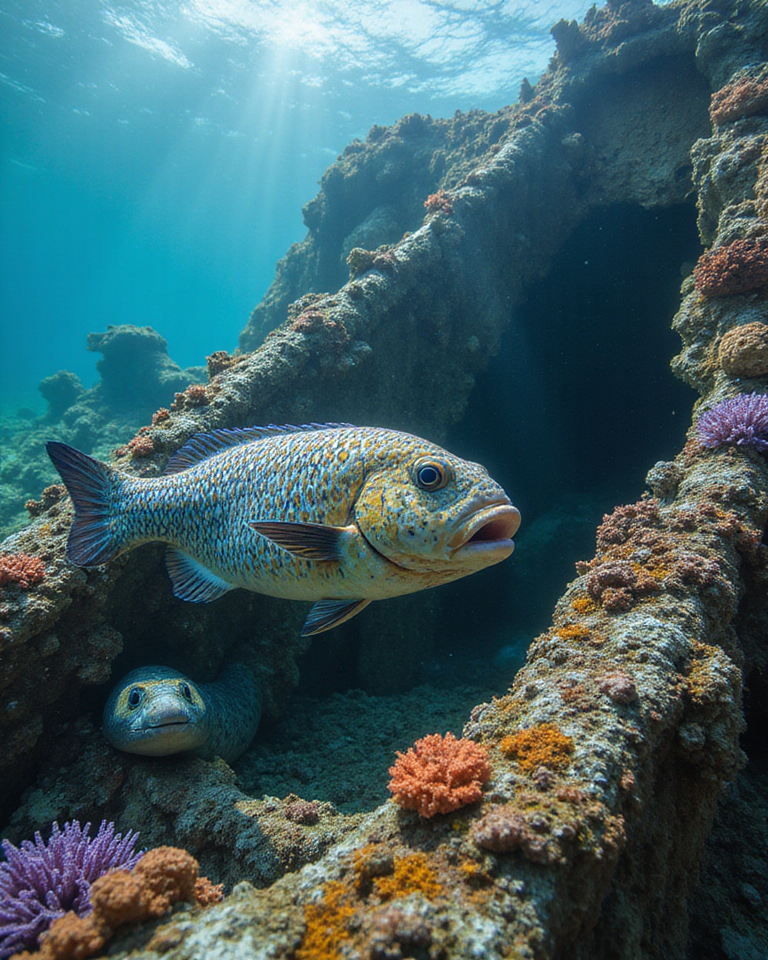
The Aegean waters around Kea host diverse marine species benefiting from the wrecks as artificial reefs. Divers often encounter groupers, moray eels, octopuses, and colorful reef fish among the shipwreck’s remains.
The underwater flora includes sponges, sea fans, and corals thriving in the nutrient-rich waters, creating breathtaking visual contrasts with the rusted steel hulks.
Tips for an Optimal Diving Experience
- Choose Certified Operators: Ensure your dive operator has valid local licenses and experienced guides familiar with technical wreck diving.
- Respect the Wreck: The Britannic is a protected historical site; avoid touching or collecting artifacts and practice responsible diving.
- Health and Fitness: Given the physical demands of deep wreck diving, maintain good health and prepare with suitable physical training.
- Plan for Decompression: Stick to dive plans with safe ascent procedures; utilize dive computers and gas mixes as advised.
- Travel Insurance: Confirm your policy covers technical and deep diving scenarios.
Frequently Asked Questions (FAQs)
What makes the Britannic wreck dive the ‘Everest of diving’?
The depth (approximately 120 meters), complexity, and historical significance place the Britannic dive among the most challenging underwater explorations, requiring advanced skills and specialized equipment akin to climbing Mount Everest for mountaineers.
Can beginners dive around Kea?
While the Britannic dive is for advanced divers, Kea offers numerous shallower, scenic diving locations suitable for beginners and intermediate divers, with clear waters and vibrant marine life.
Are there guided tours to the Britannic wreck?
Yes, several dive centers on Kea and the nearby mainland provide guided expeditions with expert dive masters who know the site’s conditions and safety protocols.
Is diving the Britannic wreck seasonal?
Optimal diving conditions are generally between May and October. Outside this period, weather and water conditions may be less predictable.
Explore Athens · Tours & Activities
Explore travel ideas and activities inspired by this guide.

Discover more travel ideas for Athens. Destination-specific live offers appear only when verified Klook city IDs are configured.
What equipment is essential for diving this wreck?
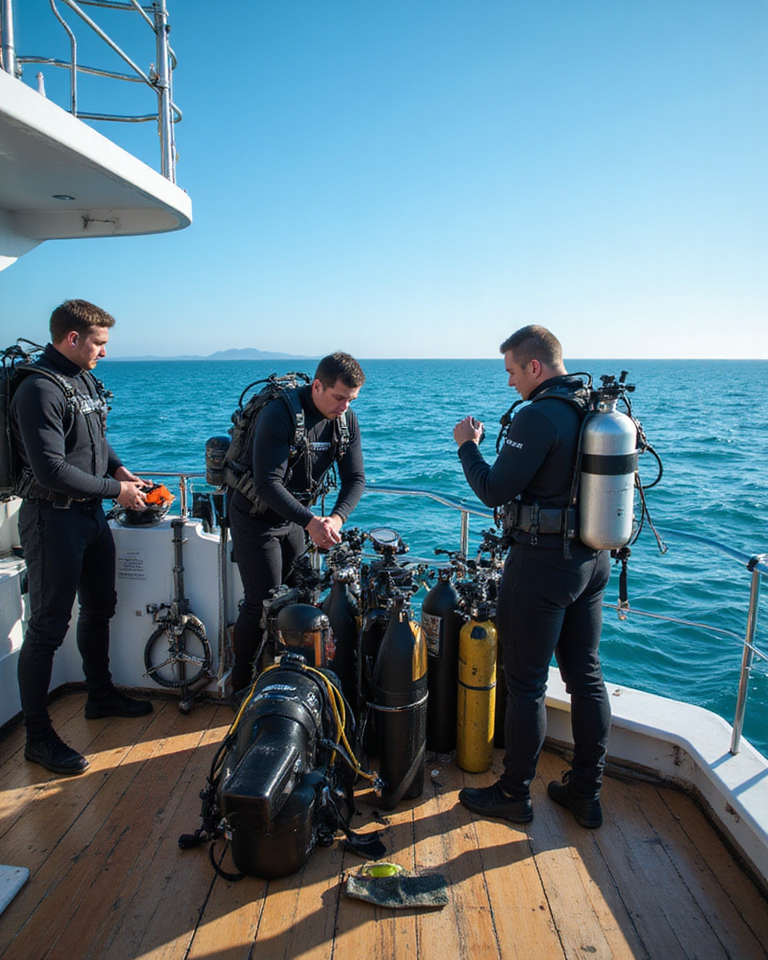
Technical diving gear, including mixed gases (Trimix), redundant air supply, dive computers, and safety decompression equipment, are necessary due to the wreck’s depth and complexity.
Preserving the Britannic Wreck: Conservation Efforts
Given the Britannic’s historical importance and its status as a protected site, numerous conservation initiatives aim to preserve its structural integrity and the surrounding marine environment. Efforts focus on minimizing human impact by promoting responsible diving practices and limiting the number of divers per expedition to reduce physical wear on the wreck.
Scientific surveys periodically assess the wreck’s condition, documenting corrosion patterns and marine growth. This data helps guide preservation techniques and informs regulations governing diving activities at the site.
Moreover, collaboration between Greek authorities, maritime historians, and environmental groups ensures a balanced approach to celebrating the wreck’s heritage while safeguarding it for future generations.
Additional Diving Attractions near Kea
Coastal Caves and Reefs
Kea’s underwater landscape extends beyond shipwrecks to include intriguing coastal caves and vibrant reef systems. These spots provide excellent diving experiences for those not ready for deep technical dives, featuring abundant marine life and fascinating geological formations.
Divers often explore sea caves with shafts that filter beams of sunlight, creating otherworldly underwater scenes. Snorkeling and shallow dives along coral-encrusted rocky reefs reveal schools of colorful fish, sea urchins, and seahorses, making Kea a versatile destination for divers of all skill levels.
Night Diving Experiences
For adventurous divers, night diving near Kea offers a unique perspective of the underwater environment. Under the cover of darkness, nocturnal marine species become active, and the wrecks take on an eerie, mysterious atmosphere.
Specialized dive operators arrange guided night dives with appropriate lighting and safety measures, allowing divers to witness bioluminescent organisms and different behaviors of fish and invertebrates unseen during daytime dives.
Local Culture and Diving Community
The welcoming diving community on Kea plays an essential role in enhancing the diving experience. Dive centers, often family-run, blend professionalism with local warmth, sharing their knowledge of the island’s history, marine life, and best diving practices.
Outside of diving, Kea offers rich cultural experiences, from traditional tavernas serving fresh seafood to historic sites such as ancient temples and Byzantine churches. Many divers extend their trips to enjoy hiking trails that offer panoramic views over the Aegean, connecting the underwater adventures with terrestrial exploration.
Safety Considerations and Emergency Preparedness
Deep technical diving at the Britannic demands meticulous attention to safety. Dive operators on Kea prepare divers thoroughly, emphasizing emergency procedures, including gas management, buddy protocols, and ascent contingencies.
Divers should carry redundant gas supplies and emergency signaling devices, and always dive with a trusted partner familiar with the site. Additionally, it is wise to ensure immediate access to recompression chambers and medical facilities capable of treating diving-related injuries, typically available in Athens, reachable within an hour from Kea.
Planning Your Diving Trip to Kea
Booking and Logistics
Advance booking is highly recommended when planning a diving trip to the Britannic due to the limited number of specialized operators and the complexity of the dives. Coordinating travel itineraries with dive schedules helps maximize underwater time and ensures the availability of expert guides and necessary equipment.
Travelers should also prepare for acclimatization and possible surface intervals between deep dives, allowing ample rest to reduce fatigue and improve safety.
Equipment and Gear Recommendations
Divers must bring or rent high-quality technical diving gear, including twinsets or rebreathers, dive computers capable of handling decompression diving, and multiple gas mixes. Spare parts, backup lights, and cutting tools are advisable, particularly for penetration dives or unpredictable wreck conditions.
Operators often provide full gear rental, but verifying equipment maintenance standards and personal comfort with the gear is crucial before deep technical dives.
Summary: Embracing the ‘Everest of Diving’ Challenge
The challenge of diving the Britannic wreck near Kea is matched by the rewards of exploring a site rich in history, natural beauty, and technical intrigue. This adventure demands respect, preparation, and advanced skills, rewarding divers with unforgettable experiences and a profound connection to maritime heritage.
Whether diving the Britannic itself or exploring nearby wrecks and coastal features, Kea offers a diverse underwater playground for dedicated divers looking to push their limits and immerse themselves in a unique world beneath the waves.
As diving technology and preservation techniques continue to evolve, Kea is poised to remain a premier destination for wreck diving enthusiasts from across the globe.
Ready to plan your stay?
Explore accommodation options for your destination on Bloonsoo.