Exploring Britannic: The ‘Everest of Diving’ in Kea’s Underwater World
Introduction to Kea’s Underwater Marvels
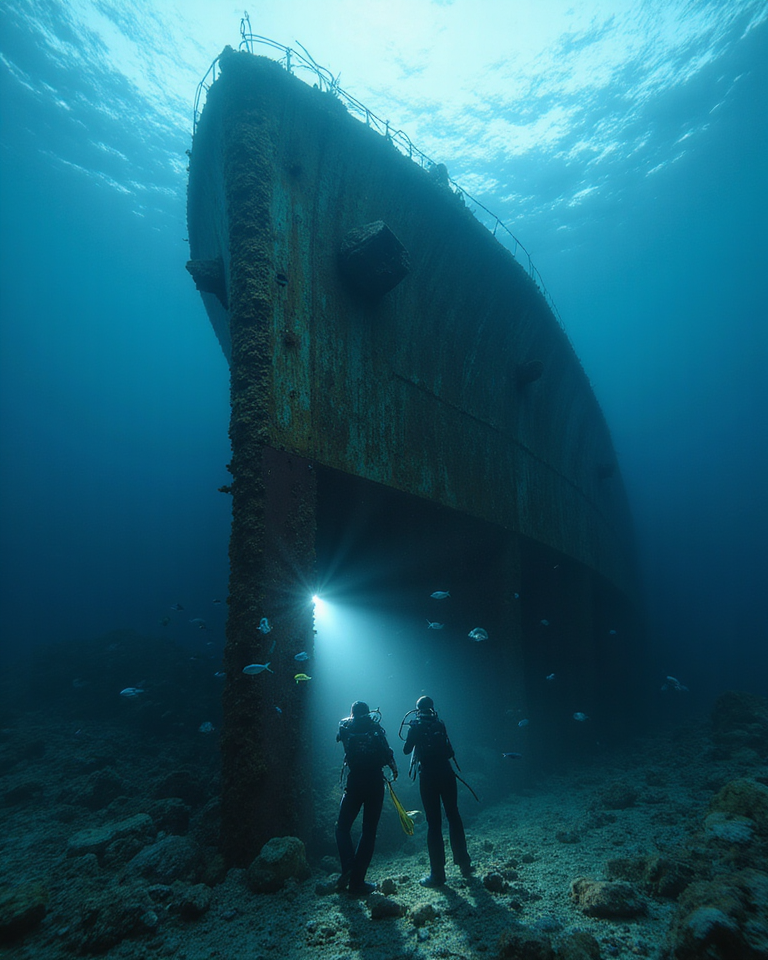
Nestled in the Aegean Sea near Athens, the Greek island of Kea is an alluring destination not only for its scenic hiking trails and charming villages but also for its remarkable underwater treasures. Among these, the wreck of the Britannic — the Titanic’s sister ship — has earned fascination and the moniker “Everest of diving.” This title reflects the challenge and excitement scuba divers face when exploring this historic shipwreck resting off Kea’s coast.
This article guides adventurous travelers and dive enthusiasts through the captivating experience of visiting Britannic’s wreck site, detailing the practical travel information, how to prepare, and what else to explore in Kea alongside this underwater adventure.
Why is Brittanic Called the ‘Everest of Diving’?
The Britannic, launched in 1914 as a sister to the infamous Titanic, met its tragic end during World War I. Unlike the Titanic, which sank after hitting an iceberg, the Britannic was sunk by a mine in the Kea channel in 1916. It lies deeper and in more challenging conditions than Titanic’s wreck, making it a coveted but demanding dive spot — hence its nickname likening it to the summit of Mount Everest in difficulty and prestige.
The wreck rests approximately 120 meters beneath the surface, requiring technical diving skills and specialized equipment to explore safely. Its sprawling structure, from the boiler rooms to passenger areas, offers a glimpse into early 20th-century maritime engineering and poignant reminders of the ship’s wartime fate.
Planning Your Trip to Kea for Diving Britannic
Getting There
Kea is conveniently accessible from Athens by ferry or private boat. From the port of Lavrion — about 40 kilometers southeast of Athens — regular ferries connect to Kea multiple times daily. The crossing lasts approximately one hour, making it a manageable day trip or an overnight stay option for divers seeking calm seas before their underwater expedition.
Visitors flying into Athens International Airport can reach Lavrion by taxi or shuttle services, then board a ferry to Kea. It’s advisable to check ferry schedules seasonally, as frequency and availability can vary, with higher frequency during summer months.
Accommodation and Facilities
Kea hosts a variety of accommodations suited for divers and tourists alike. From boutique hotels and beachfront apartments in the main port town of Korissia to quieter options inland, you can find comfortable lodging close to dive centers. Some hotels and guesthouses even cater specifically to diving groups with gear storage and flexible wake-up calls for early dives.
Diving Britannic: What to Expect
Technical Diving Requirements
Due to the depth and complexity of the Britannic wreck, only experienced technical divers typically undertake this dive. It requires advanced certifications such as Technical Diving or Trimix diving, allowing safe descent beyond recreational limits. Dive operators in Kea are well-versed in these requirements and provide guided dive tours with appropriate safety protocols.
The dive, lasting around an hour, includes exploring multiple compartments of the ship. Visibility varies but can reach up to 25 meters during ideal conditions. Divers are encouraged to plan meticulously and follow established routes to protect the fragile wreck and ensure safety.
Recommended Dive Operators
Kea offers several reputable diving schools and operators who specialize in technical wreck diving. They provide equipment rental, dive training, and guided expeditions. Booking in advance is crucial due to the specialized nature of this dive and limited group sizes for wreck exploration.
Other Shipwrecks and Underwater Attractions Near Kea
Besides Britannic, the waters around Kea conceal other notable shipwrecks like the HMHS Zealandia and the SS Burdigala. These sites add diversity to diving adventures in the area, offering varying depths and historical contexts.
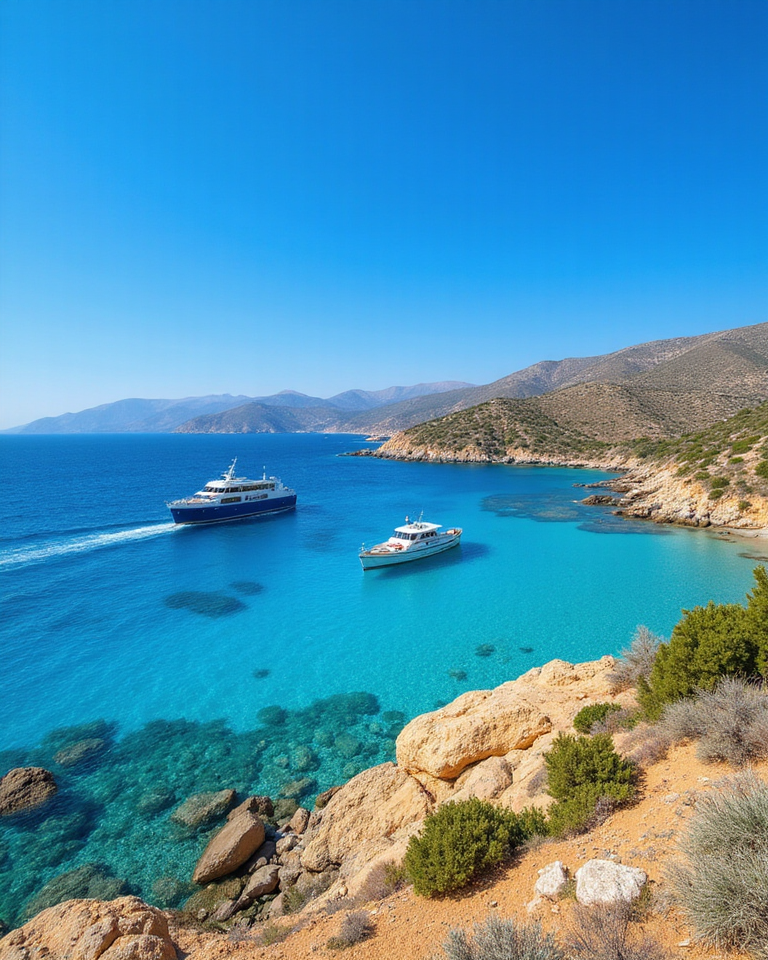
For snorkelers and less advanced divers, Kea’s crystal-clear waters are perfect for exploring reefs and coastal caves near the shore. The contrast of recreational diving alongside technical wreck dives makes the island suitable for a range of marine enthusiasts.
On Land Adventures in Kea
While the underwater expeditions draw thrill-seekers, Kea also boasts approximately 81 kilometers of hiking trails spread across 12 distinct routes. These scenic paths traverse the island’s rugged terrain, olive groves, and traditional villages, providing an excellent balance of land and sea exploration.
After a dive day, travelers can immerse themselves in Kea’s local culture by visiting quaint tavernas, sampling fresh seafood, or attending community festivals. The island’s low tourism density compared to more famous Greek islands guarantees a tranquil and authentic experience.
Essential Tips for Diving Britannic
- Certification and Experience: Ensure you hold all necessary technical diving certifications and have adequate experience with deep wreck dives.
- Physical Fitness: The dive is physically demanding; maintaining good health and stamina is vital.
- Dive with Professionals: Always dive with a licensed operator familiar with the wreck and local diving conditions.
- Equipment Check: Use reliable, calibrated technical diving gear, including redundant air supplies and dive computers suited for deep diving.
- Weather Awareness: Monitor sea and weather conditions as rough seas impact accessibility and safety.
- Respect the Wreck: Britannic is a protected historic site—avoid touching or disturbing the wreck to conserve its integrity.
- Insurance: Obtain comprehensive dive insurance covering technical and deep diving activities.
Frequently Asked Questions (FAQs)
Is the Britannic wreck suitable for beginners?
No. The Britannic lies at a depth of around 120 meters, accessible only to highly experienced technical divers with specialized training and equipment.
Can non-divers visit the Britannic site?
Non-divers cannot access the wreck underwater, but they can enjoy boat tours around Kea’s coast and learn about the ship’s history at local museums and dive centers.
When is the best time to dive in Kea?
Late spring through early autumn offers the best weather and sea conditions, with improved water temperatures and visibility.
Are there accommodations suitable for dive groups on Kea?
Yes. Many local accommodations cater to dive groups, providing facilities to store and maintain diving equipment and offering flexible services around dive schedules.
Is the Britannic accessible to underwater photographers?
Yes, the wreck is a prized site for underwater photography, but photographers must follow strict guidelines to avoid disturbing the fragile site.
Explore Athens · Tours & Activities
Explore travel ideas and activities inspired by this guide.

Discover more travel ideas for Athens. Destination-specific live offers appear only when verified Klook city IDs are configured.
Conservation Efforts and Responsible Diving Practices
The Britannic wreck is not only a historical monument but also an important underwater ecosystem. Over the years, marine life has made the shipwreck its home, creating a unique habitat. Conservation efforts are crucial to maintaining both the structural integrity of the vessel and the thriving marine environment surrounding it.
Divers visiting the site are urged to adopt responsible diving practices. This includes maintaining buoyancy control to avoid accidental contact with the wreck, minimizing disturbances to marine species, and adhering strictly to guidelines set by local authorities and dive operators. Such practices help preserve the wreck’s condition for future generations and protect the delicate ecosystem that relies on it.
Local Initiatives
Several environmental groups and dive organizations in Kea actively promote awareness and education about the significance of the Britannic wreck. They organize cleanup dives and monitoring programs to assess the health of the aquatic habitat around the wreck. Participation in these initiatives is encouraged for divers who want to contribute to preservation efforts.
What Makes the Britannic Dive Unique Compared to Other Wrecks?
While there are numerous shipwrecks globally, the Britannic stands out due to its combination of historical significance, depth, and the technical challenge it presents. The fact that it is Titanic’s sister ship adds a layer of fascination for history buffs and divers alike.
The size of the wreck is immense, giving divers a rare opportunity to explore multiple areas such as the engine rooms, officers’ quarters, and passenger accommodations. Unlike many wrecks that have been heavily damaged or scattered, Britannic is relatively intact, offering insights into early 20th-century maritime life.
Environmental Conditions Enhancing the Dive
The highly transparent Aegean waters around Kea provide ideal visibility compared to many wreck sites worldwide. This clarity allows for striking underwater photography and safer navigation, although the depth requires technical expertise.
Additionally, the wreck is situated in a location with relatively stable weather conditions during the diving season, reducing the incidence of sudden poor visibility or rough seas that might otherwise complicate the dive.
Preparing for the Dive: Equipment Recommendations
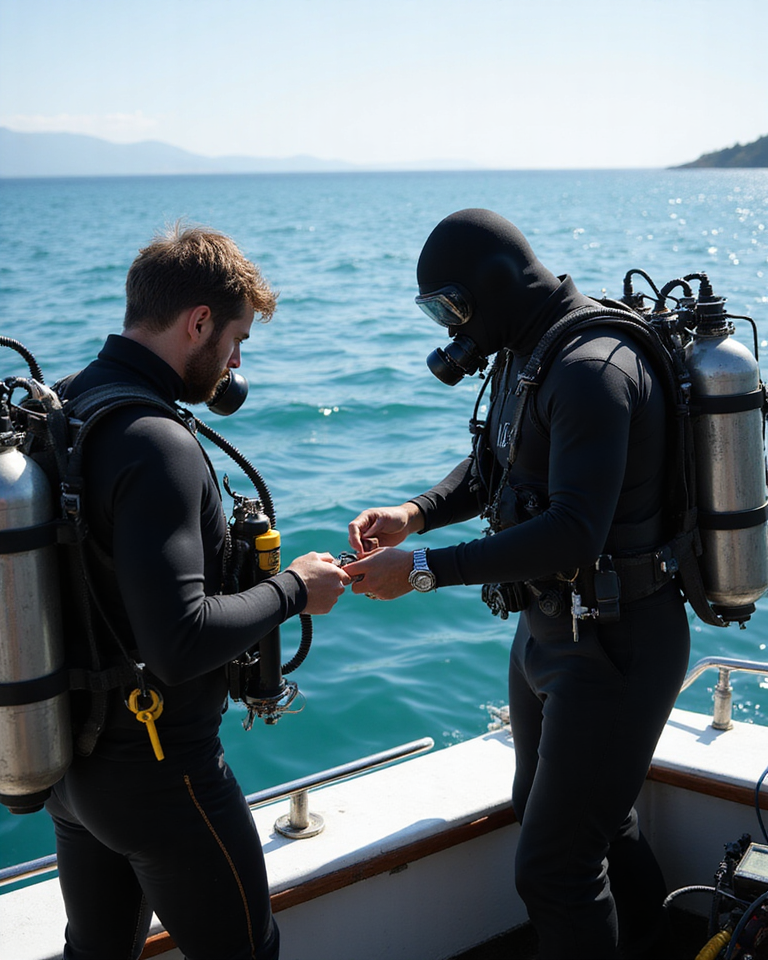
Given the extremity of the dive, preparation is vital. Divers should use specialized equipment designed for deep technical dives, such as closed-circuit rebreathers or mixed-gas systems like trimix, to extend bottom time and reduce nitrogen narcosis risk.
Redundant systems are a must; this includes dual regulators, multiple tanks, and backup dive computers. Safety is paramount, so thorough pre-dive equipment checks and adherence to dive plans are essential to manage the complexities of this deep wreck exploration.
Additional Gear
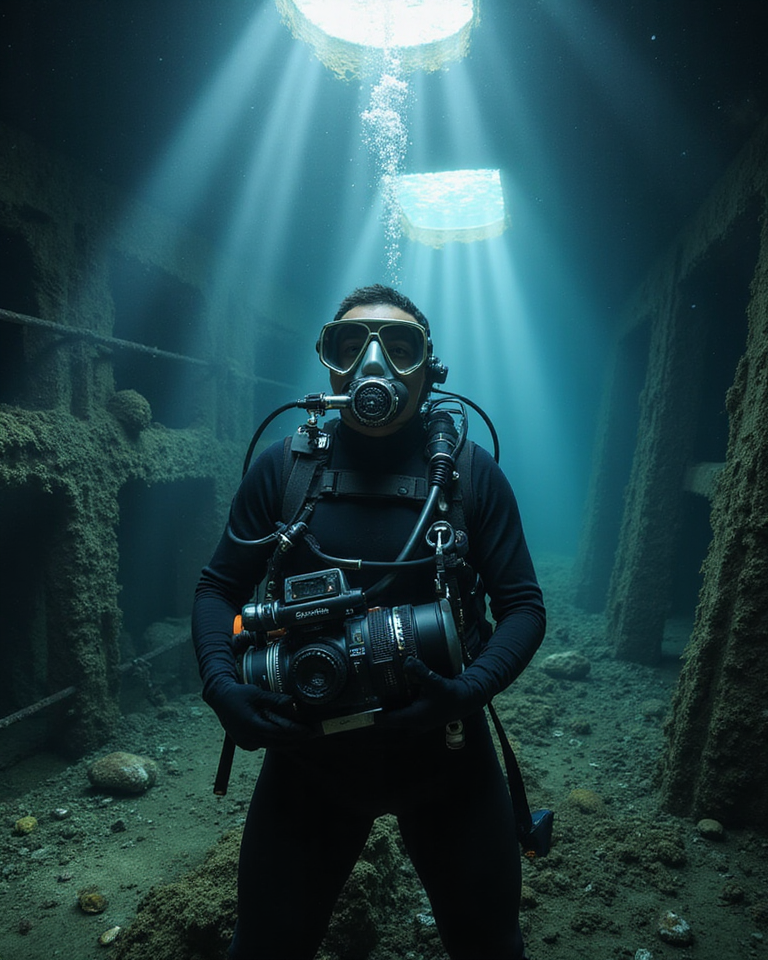
Underwater lighting is crucial as natural light fades quickly with depth. Powerful torches and video lights help illuminate the wreck’s interiors for better navigation and documentation.
For underwater photography enthusiasts, robust housings and strobes suitable for deep dives are recommended to capture the remarkable scenes within Britannic.
Beyond Diving: Cultural and Historical Highlights Around Kea
While diving the Britannic is a marquee activity, Kea’s cultural and historical offerings provide enriching experiences for visitors between dives or for accompanying family and friends.
The island is dotted with archaeological sites such as the ancient Karthea ruins, where visitors can explore remnants of archaic temples and dwellings. These sites reflect Kea’s historical importance in the Cycladic civilization and its maritime heritage.
Local museums also provide in-depth exhibitions on the island’s naval history, including stories surrounding the Britannic and other shipwrecks, enhancing one’s appreciation of the underwater adventures.
Traditional Cuisine
Kea is known for its culinary delights, featuring fresh seafood, locally grown vegetables, and traditional Greek flavors. Sampling dishes like grilled octopus, fresh fish, and locally made cheeses offers a delicious immersion into the island’s culture.
Conclusion: A Unique Dive Experience in the Aegean
Exploring the Britannic off the coast of Kea offers diving enthusiasts an unparalleled blend of history, challenge, and natural beauty. This “Everest of diving” pushes boundaries for technical divers, providing a rare opportunity to visit a Titanic sister ship in a breathtaking undersea environment.
For travelers seeking a unique combination of spectacular underwater adventures and serene island charm, Kea is a destination that delivers beyond expectations. Whether scaling the depths of Britannic or hiking its picturesque trails, visitors will find themselves immersed in Greek maritime heritage and remarkable natural surroundings.
Proper preparation, respect for the site, and engagement with experienced guides ensure a safe, rewarding experience when diving this legendary wreck. Kea’s underwater world awaits those ready to explore one of history’s most haunting and beautiful shipwrecks.
Ready to plan your stay?
Explore accommodation options for your destination on Bloonsoo.