Five Stunning Alpine Destinations Now Accessible via New Winter Train Routes

Introduction
The allure of the Alps during winter is undeniable. Snow-covered peaks, cozy chalets, and breathtaking alpine scenery attract travelers from around the world. This season, exploring the Alpine region has become more convenient than ever due to newly launched and upgraded train routes connecting key destinations. These rail improvements not only reduce travel times but also enhance comfort, making train journeys part of the overall Alpine adventure.
In this guide, we’ll explore five remarkable Alpine destinations accessible via these new train routes. Whether you’re an avid skier, a lover of picturesque winter landscapes, or simply seeking charming mountain towns, these destinations offer something for every winter traveler. We’ll cover practical travel advice, route tips, highlights, and frequently asked questions to help you plan a seamless winter trip.
Why Take the Train to the Alps This Winter?
Choosing trains over cars or planes for alpine travel presents several benefits. It’s environmentally friendly, often more comfortable, avoids traffic jams and snowy road hazards, and provides scenic vistas en route. The new or upgraded rail lines launched this winter are designed to maximize both speed and comfort, featuring modern amenities and improved connections to local transport and ski lifts.
Five Alpine Destinations on New Winter Train Routes
1. Chamonix, France – Access via the TGV Alpine Connector
Chamonix, a world-renowned ski and mountaineering resort, is now connected more directly to Paris and other French cities through the newly inaugurated TGV Alpine Connector. This route significantly cuts travel time from Paris to Chamonix to just under 5 hours.
Travel Tips: Tickets can be booked up to three months in advance through SNCF’s official website. Arrive early to enjoy the local bakeries around the Chamonix station. From there, local bus services and shuttle options connect to the ski areas and hiking trails.
Highlights: Aside from skiing iconic slopes like the Grands Montets, visitors can explore winter hiking paths, enjoy après-ski in alpine pubs, and take the Aiguille du Midi cable car for panoramic views of Mont Blanc.
2. Innsbruck, Austria – New Express Rail Link from Munich
Austrian alpine city Innsbruck has boosted its accessibility via a new express rail link from Munich. The journey now takes approximately 1 hour and 50 minutes, down from nearly 2.5 hours, providing a fast and scenic route right into the mountainous heart of Tyrol.
Travel Tips: The express trains are equipped with power sockets, Wi-Fi, and ample luggage storage suitable for ski gear. Combine your visit with a day trip to nearby ski resorts such as Nordkette or Patscherkofel.
Highlights: Innsbruck blends urban charm with alpine scenery. Tour its historic old town, the Golden Roof, and try local Tyrolean cuisine. Winter markets and festive lights add extra magic from December onward.
3. St. Moritz, Switzerland – Upgraded Glacier Express Connectivity
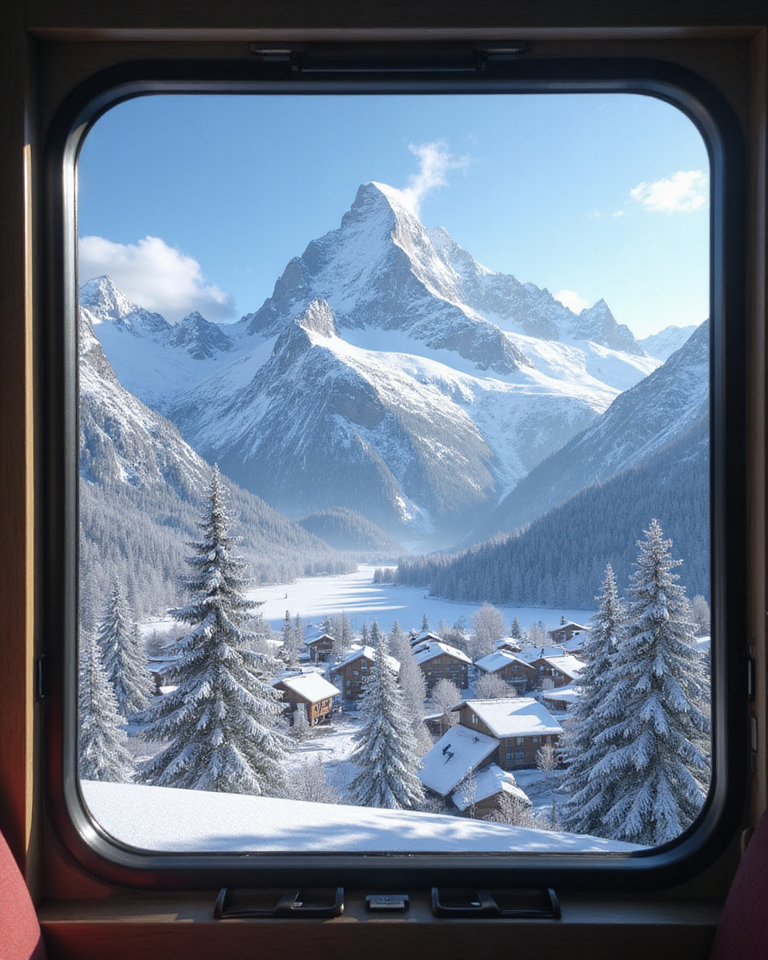
The famed Glacier Express, known as the slowest express train traversing the Alps, now benefits from upgraded connections that simplify travel to St. Moritz from Zurich and Milan. This iconic rail journey offers unparalleled alpine views and delivers travelers refreshed and ready for winter sports or relaxing spa days.
Travel Tips: Consider a multi-day rail pass if planning to travel multiple alpine routes. Early booking is essential during the busy ski season. St. Moritz’s local transport, including buses and funiculars, is well-synchronized with train arrivals.
Highlights: Enjoy world-class skiing, luxury shopping, and renowned winter events such as the White Turf horse races. Thermal baths in the area provide a perfect relaxation remedy after outdoor adventures.
4. Zell am See, Austria – Direct Rail Service from Vienna
Zell am See, nestled by the lake and surrounded by the Hohe Tauern mountains, is now reachable by a direct rail service from Vienna. This new line offers a scenic yet efficient 4-hour ride, making it a desirable destination for day trippers or weekend escapes.
Travel Tips: Zell am See is ideal for combined lake and mountain experiences. Bring layered clothing to adapt to changing weather by the lake and in the mountains. Local ski and rental shops make it easy to try skiing, snowboarding, or ice skating.
Highlights: Ski slopes vary in difficulty, welcoming both beginners and experts. The winter landscape is perfect for photography, and cozy restaurants serve local alpine dishes such as Käsefondue.
5. Bormio, Italy – New Rail Link from Milan via Tirano
Bormio, famed for its thermal baths and challenging ski slopes, has gained a new rail connection from Milan through the scenic Bernina Express route connecting Tirano. This winter, travelers can enjoy an uninterrupted journey with improved transfer times, opening doors to Italy’s lesser-known but stunning alpine quarters.
Travel Tips: The Bernina Express offers panoramic windows; booking panoramic car seats enhances the experience. Check train schedules carefully as mountain weather can affect timings. Bormio’s thermal spas are open year-round and offer comforting warmth after snowy days outdoors.
Explore Paris & Vienna · Tours & Activities
Explore travel ideas and activities inspired by this guide.
Discover more travel ideas for Paris. Destination-specific live offers appear only when verified Klook city IDs are configured.
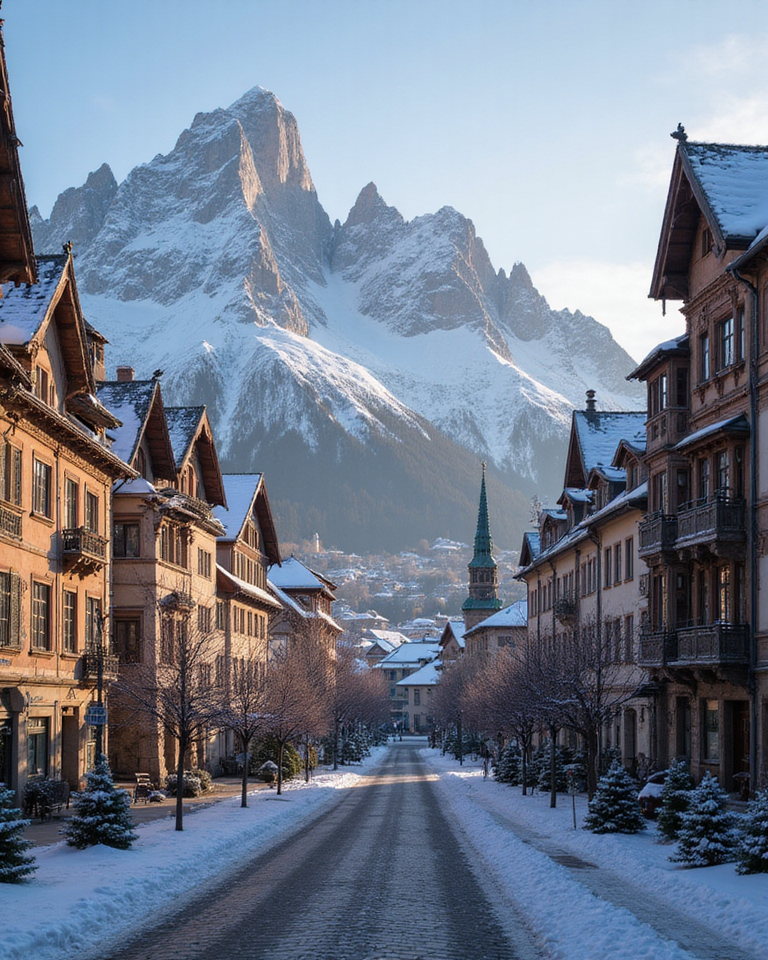
Highlights: Aside from skiing, visit historic Bormio town with its medieval gates and spa facilities. The Stelvio National Park nearby provides opportunities for winter wildlife spotting and snowshoeing.
Practical Advice for Winter Train Travel in the Alps
Booking and Planning
Reserve train tickets well in advance, especially during peak ski season (December to February), to secure preferred travel times and seats. While some trains offer flexible tickets, booking early often guarantees lower prices.
Baggage and Ski Equipment
Most alpine trains accommodate sports equipment including skis and snowboards. It’s wise to check specific luggage policies of each railway operator and consider arriving at the station early for loading assistance.
Local Transfer and Last-Mile Connections
Train stations in alpine towns are typically close to the town centers. However, for ski resorts and mountain villages that lie outside the immediate vicinity, dedicated shuttle services, buses, or taxis are available. Many offer ski rack facilities for convenience.
Weather Considerations
Mountain weather can be unpredictable. Check forecasts in advance and remain flexible with schedules. Railway lines in the Alps are equipped for winter conditions, but occasional delays may occur due to heavy snowfall.
Enhancing Your Alpine Train Experience
Enjoying Scenic Views and Photography
One of the highlights of traveling by train through the Alps is the chance to witness some of Europe’s most picturesque landscapes without stress. To make the most of your journey, consider bringing photography equipment, such as a good digital camera or smartphone with a high-quality lens. Select window seats on the right side of the train when traveling east and the left side when traveling west for the best views, although these can vary depending on the route. Morning light and late afternoon often provide optimal natural lighting for photos. Remember to dress warmly if leaning near windows, as trains can sometimes be chilly near the glass.
Dining Options on Alpine Trains
Many upgraded trains on these routes offer onboard dining cars or at-seat service, featuring regional specialties and comfort foods to enhance your trip. Sampling local delicacies such as Austrian apfelstrudel, Swiss chocolates, or French alpine cheeses while watching the winter landscape pass can be a memorable experience. Always check the train operator’s website for dining options and opening hours, as services may vary between routes and times of day.
Combining Train Travel with Other Winter Activities
Besides skiing and snowboarding, these alpine destinations provide a host of winter activities accessible via local transport. Consider planning excursions such as snowshoe trekking, ice climbing, cross-country skiing, and winter paragliding available around places like St. Moritz and Chamonix. Train travel can be combined with guided tours, many of which depart directly from train stations or nearby locations, facilitating easy access and less reliance on car rentals.
Frequently Asked Questions
Q: Are these new train routes operational throughout the winter season?
A: Yes, the new routes operate continuously during the winter months, though schedules might vary slightly based on demand and weather conditions. It’s best to verify current timetables close to your travel date.
Q: Can I use international rail passes on these routes?
A: Many international rail passes, such as the Eurail and Interrail passes, are accepted on most Alpine routes. However, some premium or express services may require additional supplements.
Q: How early should I book my tickets?
A: For the best prices and guaranteed seats, book tickets at least one to three months ahead of your planned travel, especially during holiday periods.
Q: Are there facilities for storing ski equipment on trains?
A: Most trains serving alpine destinations have designated areas for ski and snowboard storage. It is advisable to check with the train operator for specific capacity and rules.
Q: What are the COVID-19 travel policies on these train routes?
A: Policies may differ by country and even by region. Travelers should consult official railway and health authority websites for the latest travel guidelines and safety protocols.
Conclusion
Winter travel in the Alps just got simpler and more enjoyable thanks to these new and upgraded train routes. They bridge major cities and charming alpine destinations with efficiency, comfort, and breathtaking scenic journeys. Whether you’re heading to the French Alps, Austria’s mountain towns, or Italy’s ski resorts, these rail connections provide a seamless way to experience winter magic without the hassle of driving through snowy passes or cumbersome transfers.
Planning ahead and leveraging the convenience of modern alpine rail travel allows you to focus on what truly matters: soaking in spectacular mountain landscapes, immersing in winter sports, enjoying regional cuisines, and creating unforgettable holiday memories. Pack your winter gear, book your tickets early, and prepare to explore these five amazing Alpine destinations this winter by train.
Ready to plan your stay?
Explore accommodation options for your destination on Bloonsoo.